


 About
About
 Terms
Terms
 Privacy
 Contact
 Invest
The Unseen Struggles of Youth
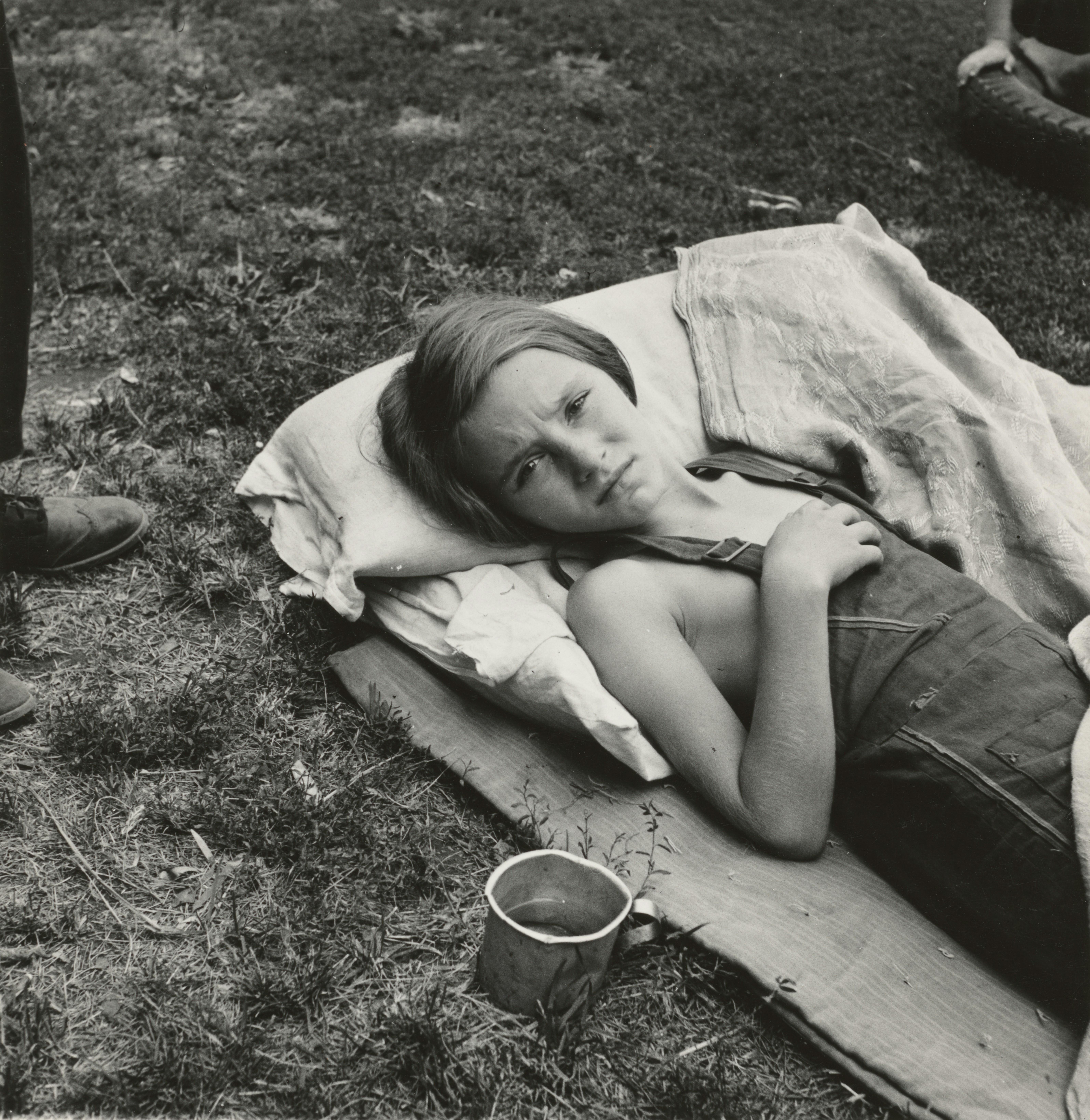
Beneath the carefree surface of childhood lies a complex interplay of emotions and social dynamics that often go unnoticed. The image of a solitary figure resting on a makeshift bed highlights not just a moment of quiet but a deeper narrative intertwined with the very fabric of biological behavior. The expression of the child, contemplative yet troubled, serves as a reminder that even moments of leisure can be tinged with the weight of unspoken fears and expectations.
The human brain, especially in children, is in a constant state of development, influenced by surroundings and experiences. Research shows that adverse conditions—such as environmental stressors—can shape neurodevelopment, affecting emotional regulation and cognitive abilities. This child’s posture, with arms crossed and a distant gaze, might suggest feelings of vulnerability, reflecting a biological tendency to retreat when faced with uncertainty or fear. Such mechanisms are rooted in evolutionary adaptations, where retreating to a safe space allows one to recalibrate and assess threats.
Drawing parallels between human behavior and the animal kingdom reveals fascinating insights. Just as some animals exhibit a "flee-and-hide" response to danger, children can similarly retreat into their thoughts or avoid situations that provoke discomfort. The slight furrow of the brow captured in this moment is an expression rooted in our primal instincts, showcasing how deeply biology informs our emotional states.
As we consider the unresolved emotions of youth, one statistic stands out: approximately 1 in 5 children experiences a mental health challenge during their developmental years. This fact underlines the importance of nurturing awareness and understanding around childhood experiences. In a world that often overlooks the internal struggles of the young, these moments become intricate tapestries woven from a blend of biological responses and social environments, urging us to pause and reflect on the depth contained within each glance and posture.

 Thai
Thai
 French
 Spanish
 Portuguese
 Deutsch
 Turkish
 Dutch
Dutch
 Italiano
 Russian