


 About
About
 Koşullar
 Gizlilik
 Contact
 Invest
Splashing through puddles is more than just a joyful activity for children; it’s a delightful expression of inherent biological behavior that taps into a deeper narrative of instinct and exploration. When children stomp in water, they experience an i
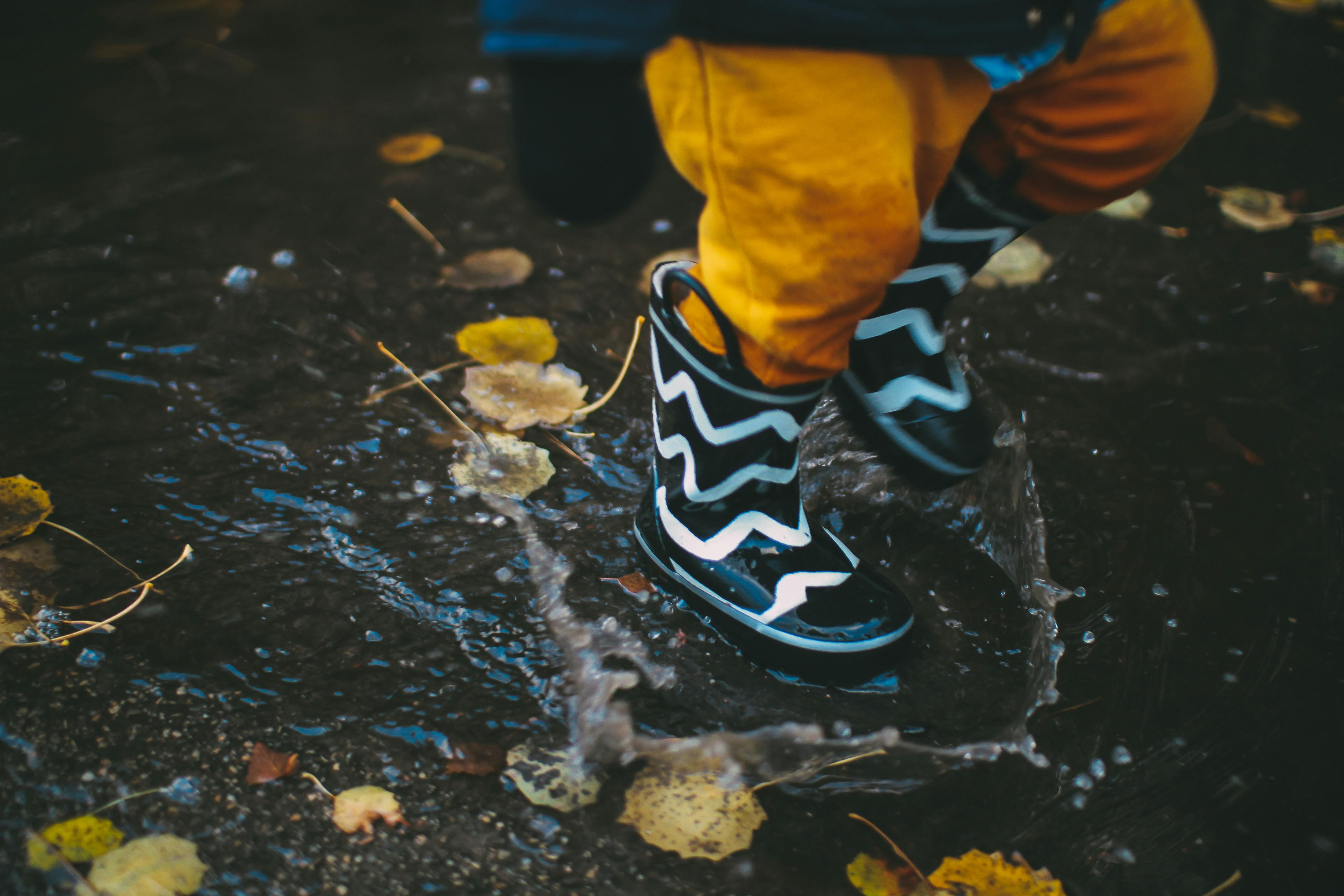
From a scientific perspective, this exposure invites curiosity and promotes cognitive development. The act of splashing creates an immediate sensory feedback loop, illuminating the interactions between gravity, mass, and surface tension—all principles of physics. Children, in their joyful oblivion, unknowingly become little scientists, experimenting with their environment and learning about the world around them through playful trial and error.
Interestingly, research suggests that children’s outdoor play, especially in natural settings, can enhance creativity and problem-solving skills. The damp chill of the air and the pungent smell of wet earth serve as natural stimulants for cognitive functioning, providing stimuli that can foster imaginative play. Each puddle becomes not merely a collection of rainwater but a world of possibilities, sparking dreams of adventure and exploration.
Moreover, the simple act of jumping into a puddle has ecological implications. This seemingly trivial behavior fosters a connection to the natural world, reminding us that every drop of water is part of a larger cycle, influencing everything from soil health to local ecosystems. Statistically, around 71% of the Earth’s surface is covered by water, making it a crucial player in sustaining life.
In moments like these, we observe that the beauty of biological behavior lies in its capacity to intertwine joy, discovery, and ecology, ultimately bridging the gap between us and the fluid world we inhabit.

 Thai
Thai
 English
 French
 Spanish
 Portuguese
 Deutsch
 Dutch
Dutch
 Italiano
 Russian