


 About
About
 Koşullar
 Gizlilik
 Contact
 Invest
The Elegance of Pink: Understanding Flamingo Behavior
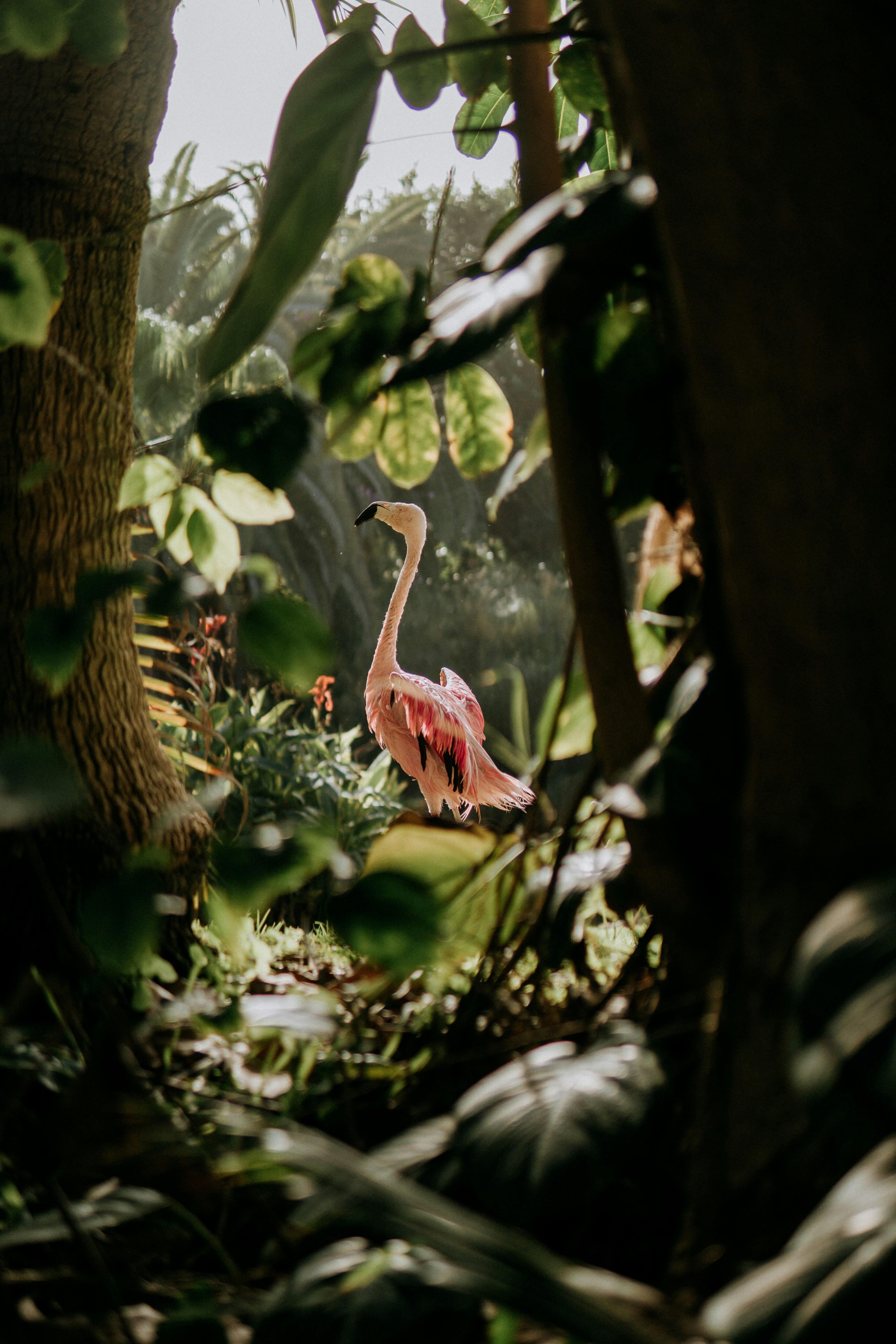
In the world of avian life, few creatures command attention like the flamingo. With their striking pink plumage and elongated legs, they invoke both awe and curiosity. But beyond their picturesque appearance lies a fascinating array of biological behaviors that hint at a rich evolutionary story. These birds are not just a burst of color on the landscape; they are social architects of their environment, engaging in behaviors that are both intricate and revealing.
Flamingos are gregarious creatures, often found in large colonies that can number in the thousands. This social structure serves multiple purposes, from protection against predators to the enhancement of their feeding strategies. Living in such close quarters, flamingos exhibit a unique system of communication, utilizing a series of vocalizations and body movements that facilitate group cohesion. This kind of social interaction is essential; research suggests that flamingos might actually benefit from being in large groups as it increases their foraging efficiency. When one flamingo discovers a fruitful feeding area, its companions are quick to join in, transforming a solitary meal into a communal feast.
Interestingly, the vivid coloration of flamingos directly ties into their dietary habits. The pigments responsible for their striking pink hues—the carotenoids found in their primary food sources such as algae and crustaceans—can also affect their social dynamics. The most vibrant birds tend to attract the best mates, suggesting that brilliance is indeed beneficial in both survival and reproduction.
As one observes a flamingo amidst the lush leaves and dappled sunlight, it is easy to appreciate the elegance and complexity of their behavior. Their intricate interactions and communal living not only reflect their biological needs but also underscore a remarkable adaptability in a constantly changing environment. Only about 15% of a flamingo’s diet is from algae, yet this small fraction can dictate the vibrancy of their feathers, potentially leading to a higher breeding success rate—a vivid reminder of nature’s compelling connections.

 Thai
Thai
 English
 French
 Spanish
 Portuguese
 Deutsch
 Dutch
Dutch
 Italiano
 Russian