


 About
About
 Koşullar
 Gizlilik
 Contact
 Invest
The Fox's Rainy Day Revelation
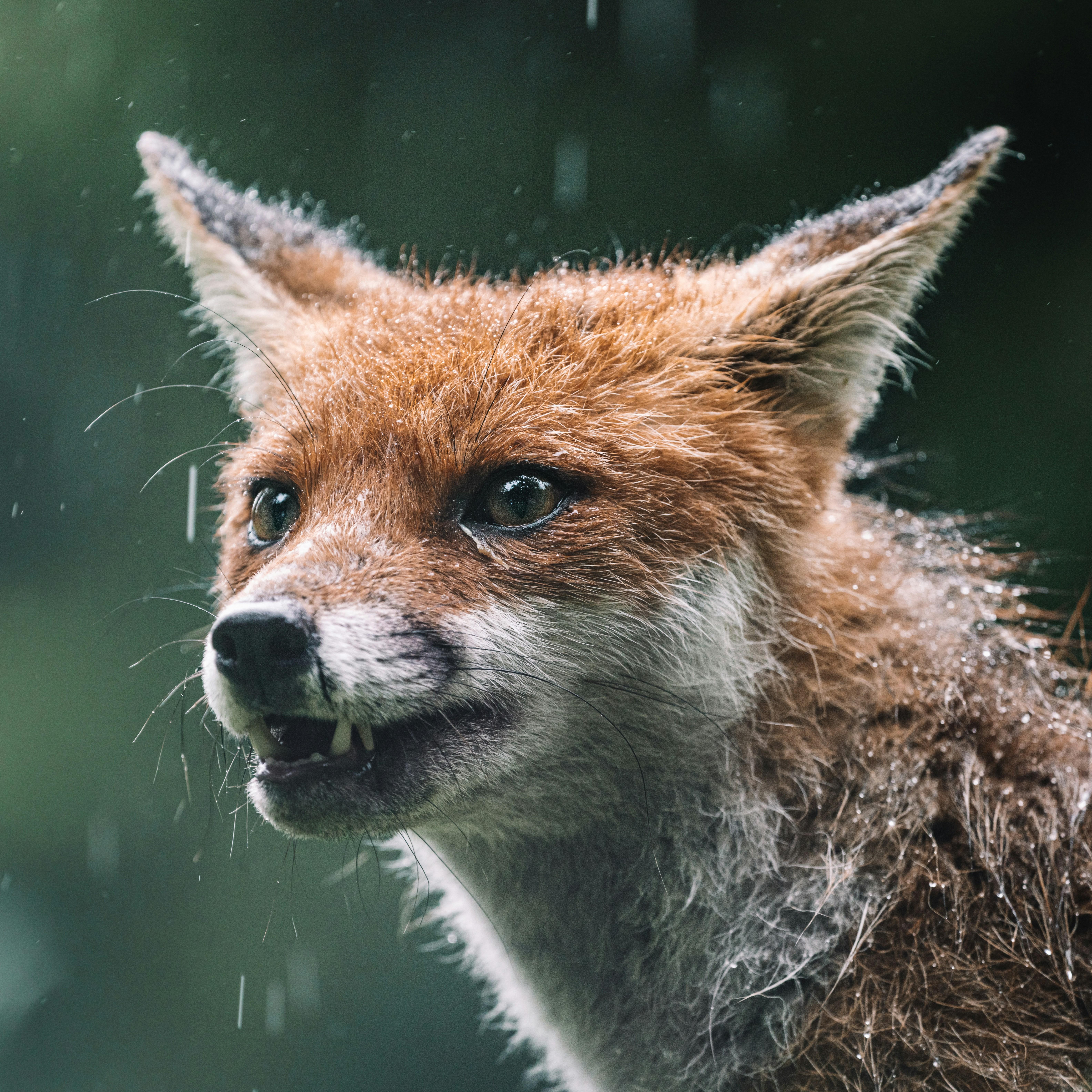
In the heart of a sprawling forest, a fox stands poised, cresting a bead of rain on its fur, a visage of fierce resilience. This animal, often foraging under the veil of dusk, assumes an equally mysterious role when the clouds darken and the skies open. Unlike many creatures that scuttle to shelter, the fox embraces the downpour with a hunter's grace, its keen eyes glistening like onyx under a reluctant sun.
Scientifically, the fox's behavior offers profound insights into the adaptations of wildlife to unpredictable weather patterns. Most mammals might retreat during rain, fearing the dilution of scents or the peril of slipping into hidden puddles. Yet the fox, a symbol of cunning, uses this very chaos to its advantage. It exploits the scent trails of unsuspecting prey, whose own sensitivities are compromised by the rain-soaked earth.
Unbeknownst to many, foxes can reduce their hunting frequency when conditions are dry, conservatively managing their energy. However, during a rain, they become opportunistic hunters, often increasing their foraging bouts by two to three times. It's a case of behavioral flexibility finely tuned by nature, where the fabled wiles of cunning become a biology-driven quest for survival.
As the droplets cascade off its vibrant coat, it’s easy to marvel at the elegant dance of adaptation, blending sensory acuity with opportunistic feeding. Perhaps the next time rain clouds gather overhead, we can take a moment to appreciate the intricate strategies of the animals around us. With around 50 species of foxes thriving across diverse habitats, their adaptability continues to inspire awe, revealing that nature often invites us to rethink our perceptions of life's challenges.

 Thai
Thai
 English
 French
 Spanish
 Portuguese
 Deutsch
 Dutch
Dutch
 Italiano
 Russian