


 О нас
О нас
 Условия использования
 Конфиденциальность
 Contact
 Invest
Reindeer in Winter's Embrace: Mysteries of Adaptation
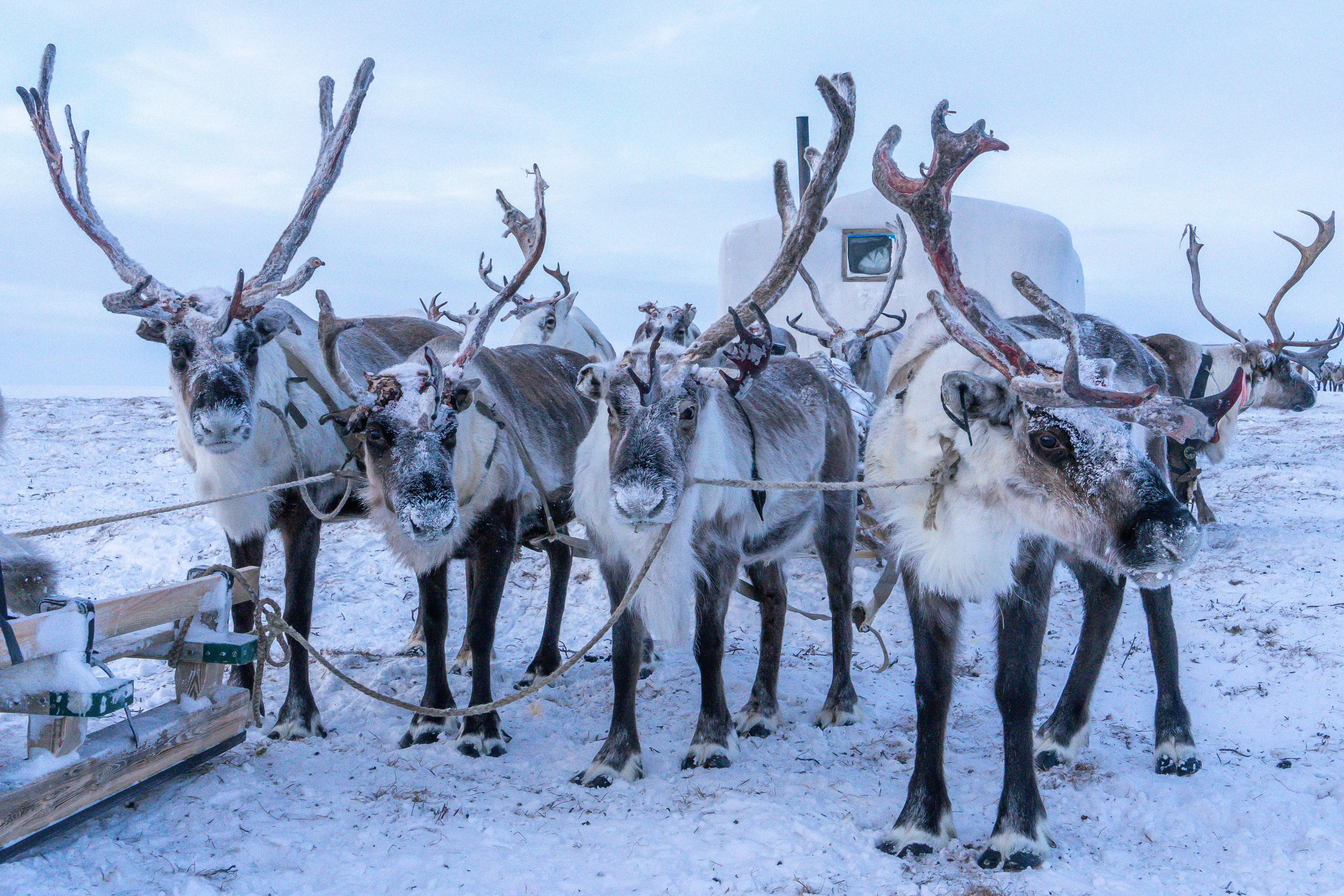
The snowy expanses of the tundra are alive with the hushed whispers of reindeer, their presence a testimony to survival in some of the harshest climates on Earth. Adapted to thrive in areas where the temperature can plummet below freezing, these remarkable creatures showcase an array of complex biological behaviors that are a marvel of evolution. With dense fur covering their bodies and blood with special proteins that prevent freezing, they embody nature’s ingenuity.
The behavior of reindeer during the cold months reveals their profound social structures and instincts. These animals are known for their migratory patterns, traveling great distances in search of food sources that lie beneath the snow. A single herd can move hundreds of miles, often led by an elder female whose experience in navigating these frozen landscapes is invaluable. This familial hierarchy emphasizes not only survival but the community's reliance on shared knowledge, a trait seldom acknowledged in the animal kingdom.
Observing how reindeer cope with frigid conditions offers insights into thermoregulation and resourcefulness. They can slow their heart rate to conserve energy, and their unique hooves are specially adapted to traverse unstable snowy terrain, a testament to evolution’s artful design. Amidst the laughter of wind and snow, one cannot help but chuckle at the sight of these majestic creatures when they occasionally flop onto their sides to scratch an itch—sometimes resembling furry, elegant yet clumsy dancers on a frigid stage.
In a world where climate changes and habitats shift, reindeer populations have demonstrated varying degrees of resilience. Their adaptability is not merely a trait but a necessity to ensure survival, as ongoing studies indicate that nearly a third of their herds are currently threatened due to environmental shifts and human pressures. Therefore, their existence is not just a mere spectacle of nature but a critical reminder of the delicate balance between species and their habitats, revealing a sobering statistic: in the last fifty years, tundra environments have warmed by an average of 2 degrees Celsius. Understanding these biological behaviors can illuminate how we confront our changing world and the creatures that roam it.
 Russian
 Thai
Thai
 English
 French
 Spanish
 Portuguese
 Deutsch
 Turkish
 Dutch
Dutch
 Italiano