


 О нас
О нас
 Условия использования
 Конфиденциальность
 Contact
 Invest
A Journey Through Curiosity
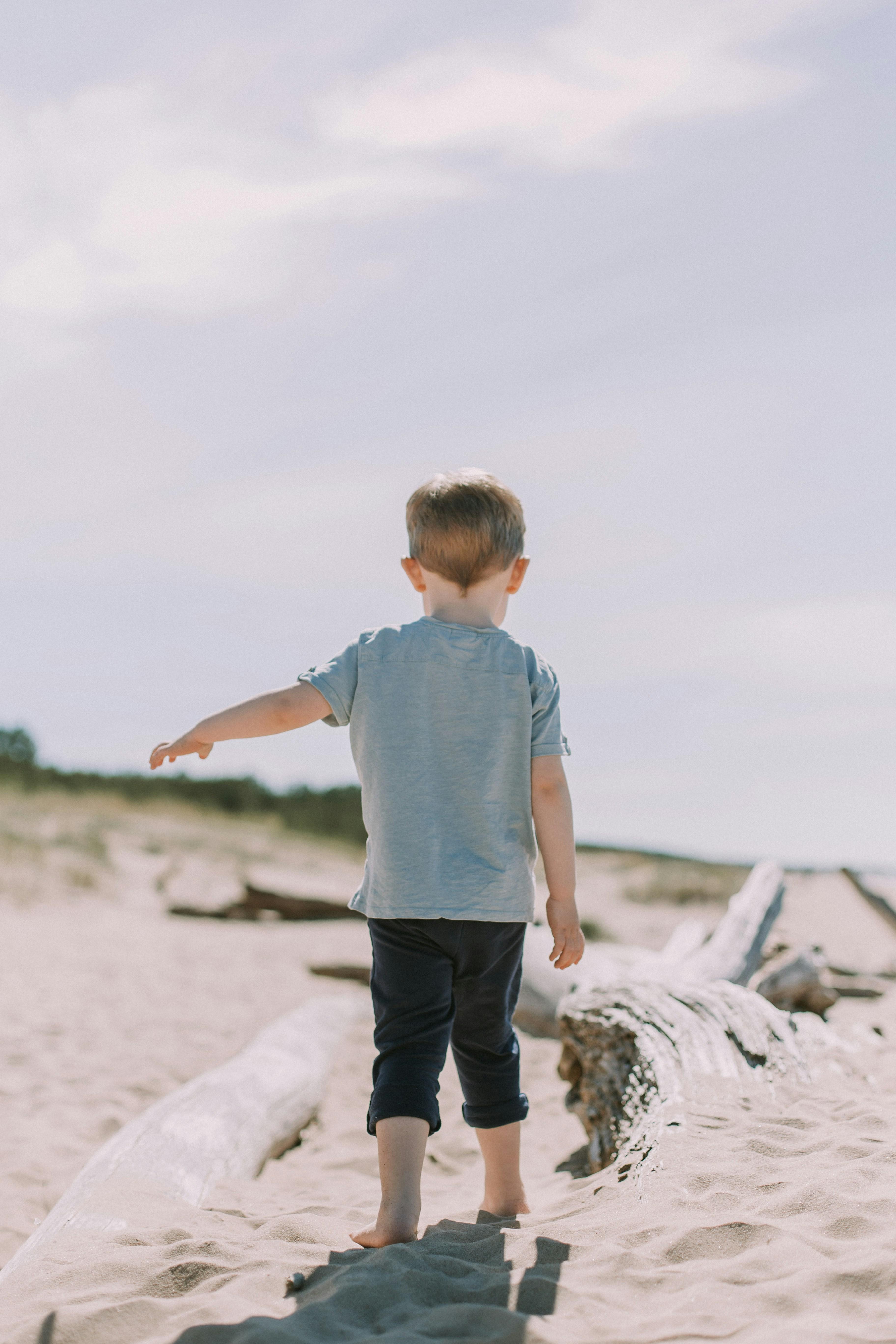
On a sun-drenched beach, a young child ambles along a driftwood pathway, each step a blend of wonder and exploration. This simple act of walking reveals a profound aspect of human biological behavior: the innate drive to explore and understand one’s environment. The interplay of curiosity and movement not only fosters cognitive development, but also invigorates the spirit.
From an early age, children exhibit a magnetic allure to explore their surroundings. It’s not merely play; it’s an instinctual quest for knowledge. This phenomenon has deep roots in evolutionary biology. Early humans who ventured beyond familiar territories were more likely to discover vital resources and survive. Today, that same impulse propels toddlers down sandy banks, over tangly roots, and among the whispering grasses. As they venture forth, their brains are engaged in a remarkable neural dance, forming new connections with each experience.
Interestingly, developmental psychologists assert that this exploratory behavior sharpens problem-solving skills, enhances creativity, and builds resilience. The child’s carefree stroll, where the mere act of pointing at a distant bird or meandering along a log brings joy, is intertwined with complex biological mechanisms. The very act of exploration releases dopamine, a neurotransmitter linked to pleasure and reward, demonstrating that these playful pursuits are as much about joy as they are about learning.
As we observe this innocent journey, we are reminded that exploration doesn’t cease with childhood. Rather, it evolves alongside us, remaining a vital part of human experience. In fact, studies show that about 60% of adults express a desire for more adventure in their lives. Perhaps it’s this blend of human instinct and curiosity that propels us forward, reminding us of the importance of stepping into the unknown. So, next time you encounter a small explorer on their sandy quest, take a moment to reflect on the timeless joy and significance of curiosity in our lives.
 Russian
 Thai
Thai
 English
 French
 Spanish
 Portuguese
 Deutsch
 Turkish
 Dutch
Dutch
 Italiano