


 Über
Über
 Bedingungen
 Datenschutz
 Contact
 Invest
The Quiet Resilience of Kinship
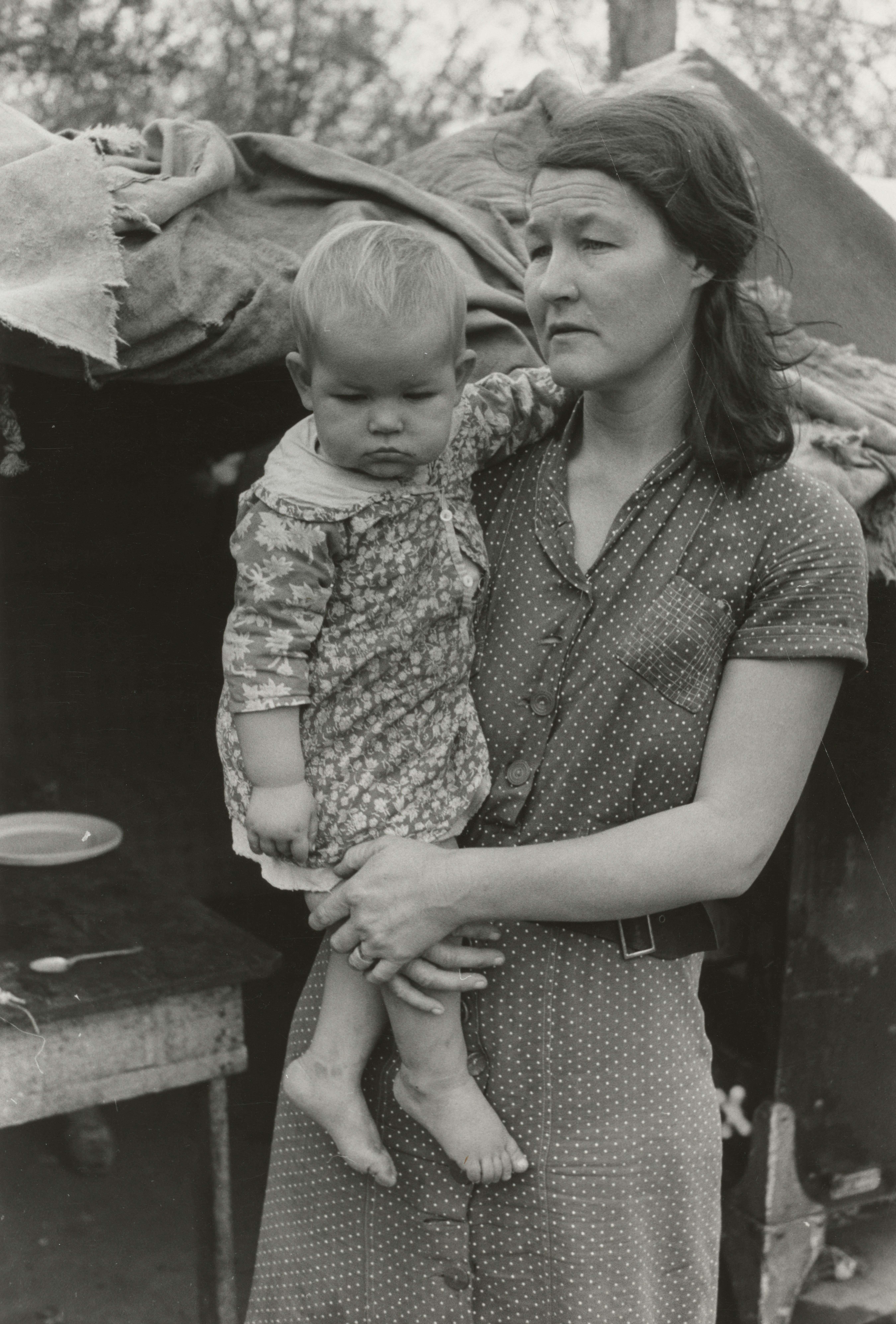
In an era sharply defined by struggle and hardship, there exists an unparalleled bond that often timidly bursts forth in moments of adversity. The image of a mother cradling her child amidst the strains of a makeshift environment serves as a poignant illustration of this dynamic. It reflects a biological behavior rooted in our evolutionary heritage, wherein nurturing and kinship are not merely social constructs but essential survival strategies.
Human beings are hardwired for connection, with the maternal instinct serving both biological and social purposes. This instinct compels mothers to protect and nurture their young, ensuring continuity of genes and societal structures. While modern life may often disguise this primal urge with layers of complexity, its essence remains vital. The act of holding a child, as seen in the image, goes beyond physical support; it's an emotional sanctuary, encapsulating a myriad of shared experiences and hopes.
Even in the starkest of conditions, there is humor to be found in their expressions—perhaps capturing a fleeting moment of contemplation rather than despair. The baby’s serious demeanor might deceive onlookers into thinking the world is quite unbearable, yet in those quiet eyes lies a deep reservoir of potential, unrecognized yet profoundly comforting. This interplay of emotion often intensifies the mother-child bond, proving that vulnerability can coexist with strength.
Research suggests that early mother-child interactions profoundly influence behavioral outcomes later in life. The dynamics captured in moments like this reveal that love, resilience, and a touch of humor become vital life skills. As much as 90% of brain development happens in the first five years, emphasizing the importance of these formative experiences.
In a world occasionally overwhelmed by chaos, the quiet resilience borne from kinship remains a touching testament to human survival.
 Deutsch
 Thai
Thai
 English
 French
 Spanish
 Portuguese
 Turkish
 Dutch
Dutch
 Italiano
 Russian