


 Über
Über
 Bedingungen
 Datenschutz
 Contact
 Invest
Tiny Toes: The Intricate Dance of Development
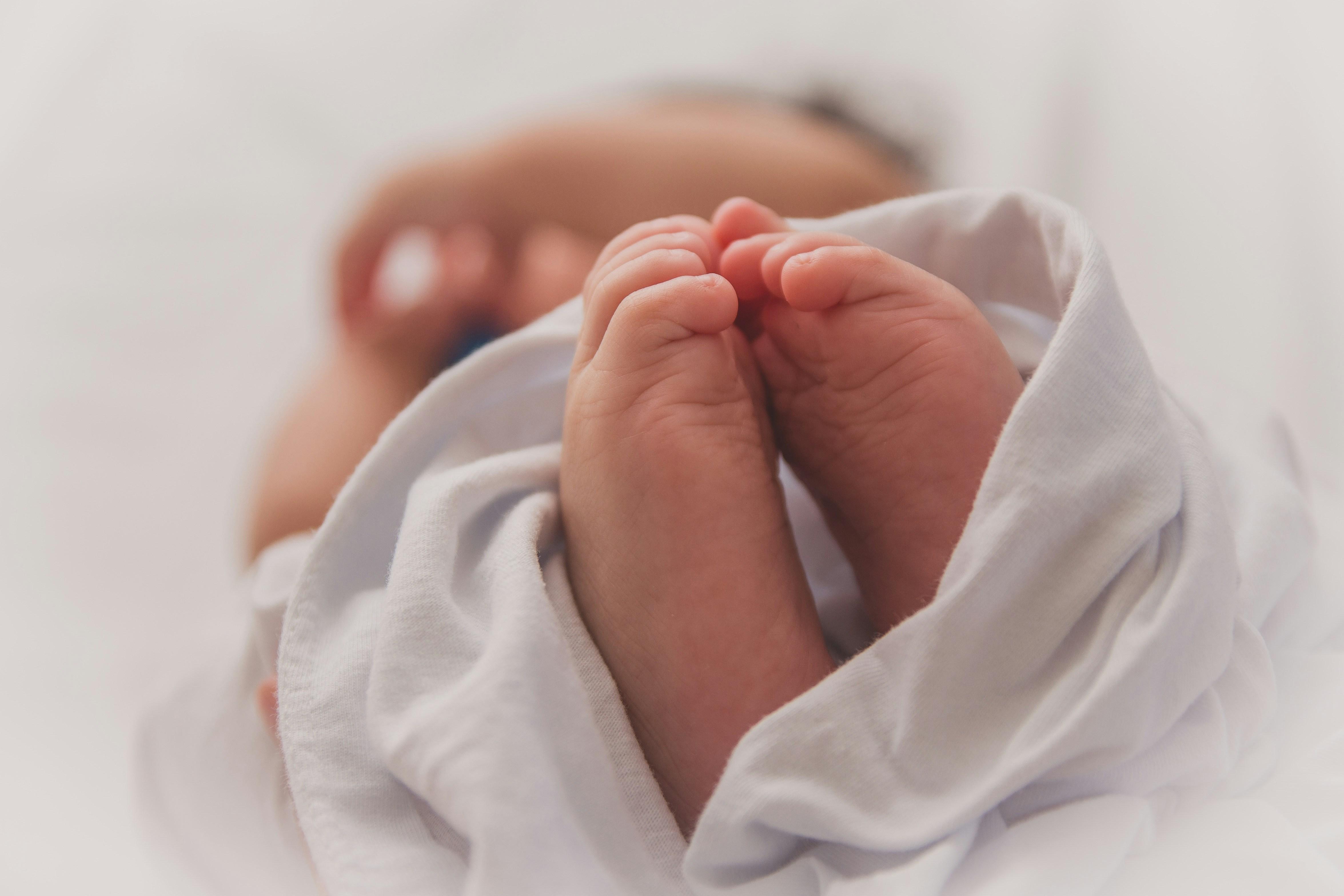
In the soft glow of a nursery, the delicate feet of a newborn gesture toward a world brimming with potential. Each tiny toe seems to hold secrets of evolution and adaptation, a miniature testament to the intricate choreography of biological survival. As parents lovingly swaddle their babies, the reality of human development unfolds in surprising ways.
From the moment of conception, a complex biological script begins. These tiny feet, still folds of flesh and vulnerable skin, are maturing through a remarkable fusion of genetics and environmental factors. The act of grasping, instinctively seen in infants, is not mere chance; it reflects an ancient survival mechanism. Research highlights that this reflex, known as the grasp reflex, could be traced back to our ancestors, who relied on strong attachments to their mothers for safety. Just think: millions of years of evolutionary history condensed into these diminutive digits.
As these feet grow, the bones that began as soft cartilage undergo a gradual transformation. By the time a child reaches their first steps, the number of bones that started at around 300, will fuse to form 206, a testament to the body's astounding adaptability. The feet, often overlooked, become a fundamental aspect of mobility and exploration, leading to vital experiences that shape social and cognitive development.
In this quiet moment, where innocence meets biological complexity, we are reminded that the smallest features can encapsulate vast narratives of life and survival. For instance, did you know that, on average, human feet contain 26 bones and over 100 muscles, tendons, and ligaments? These tiny structures may seem inconsequential, yet they serve as the foundation for our journeys—both literal and metaphorical—through life. So, as we marvel at those little toes peeking out from their cozy cocoon, we glimpse not just the future but the extraordinary journey of evolution and resilience etched in every curl.
 Deutsch
 Thai
Thai
 English
 French
 Spanish
 Portuguese
 Turkish
 Dutch
Dutch
 Italiano
 Russian