


 เกี่ยวกับ
 เงื่อนไข
 ความเป็นส่วนตัว
 Contact
 Invest
The Art of Movement in Winter Wildlife
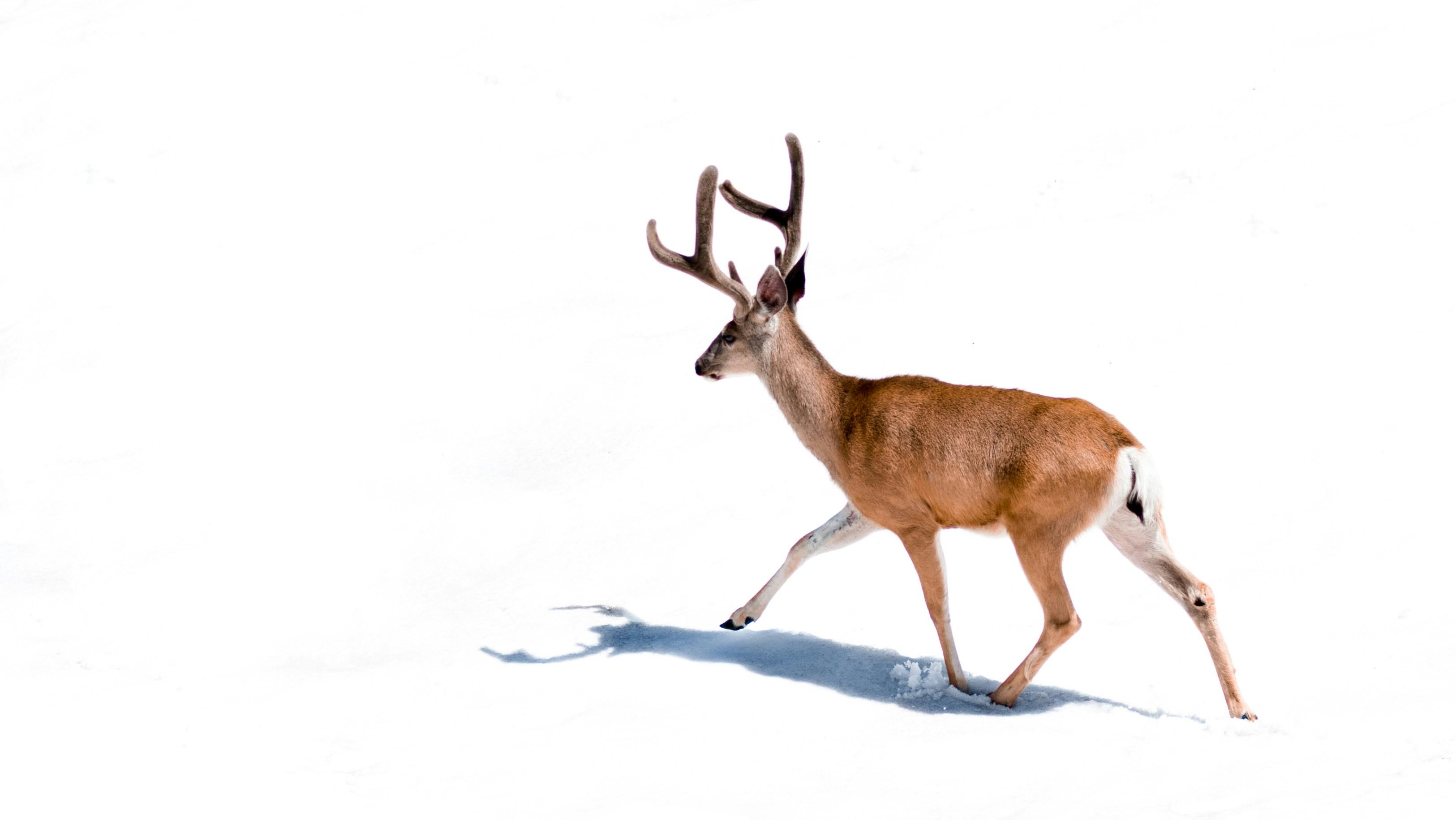
In the chilly embrace of winter, a solitary deer traverses a landscape cloaked in white. This scene serves as a captivating reminder of the intricate biological behavior exhibited by wildlife adapting to seasonal changes. Each graceful stride the deer takes against the stark, snowy backdrop highlights not just elegance but also the survival instincts finely tuned through evolution.
Deer are remarkable creatures, evolved to traverse diverse terrains. The snow beneath their hooves, while seemingly an obstacle, also bears subtle advantages. Interestingly, their unique foot structure allows them to move with an astonishing level of stealth. The dewclaw, often hidden from view, plays a critical role; it assists with stability, providing them the agility necessary to evade predators even in challenging conditions. This animal's calculated movements embody an age-old dance of adaptation and survival.
In winter, energy conservation becomes crucial. The deer’s famed ability to pause and blend into the white snow, facilitated by its natural coloration, speaks to a survival strategy where remaining still can mean the difference between life and death. Yet, every step taken signals a quest—an instinctive venture toward food sources often buried beneath the frost.
As we observe this deer in its brisk, determined pace, we’re reminded that biological behavior is a fascinating interplay of instinct, environment, and survival. Nature showcases its ingenuity; in a world where one in five species is currently facing extinction, the delicate balance of these behaviors underscores the importance of ecological harmony. In fact, research indicates that the changing seasons influence animal movement by about 30%. This statistic invites us to reflect on our role in preserving such intricate behaviors.

 English
 French
 Spanish
 Portuguese
 Deutsch
 Turkish
 Dutch
Dutch
 Italiano
 Russian