


 About
About
 Términos
 Privacidad
 Contact
 Invest
The Language of Touch: Understanding Infant Responses
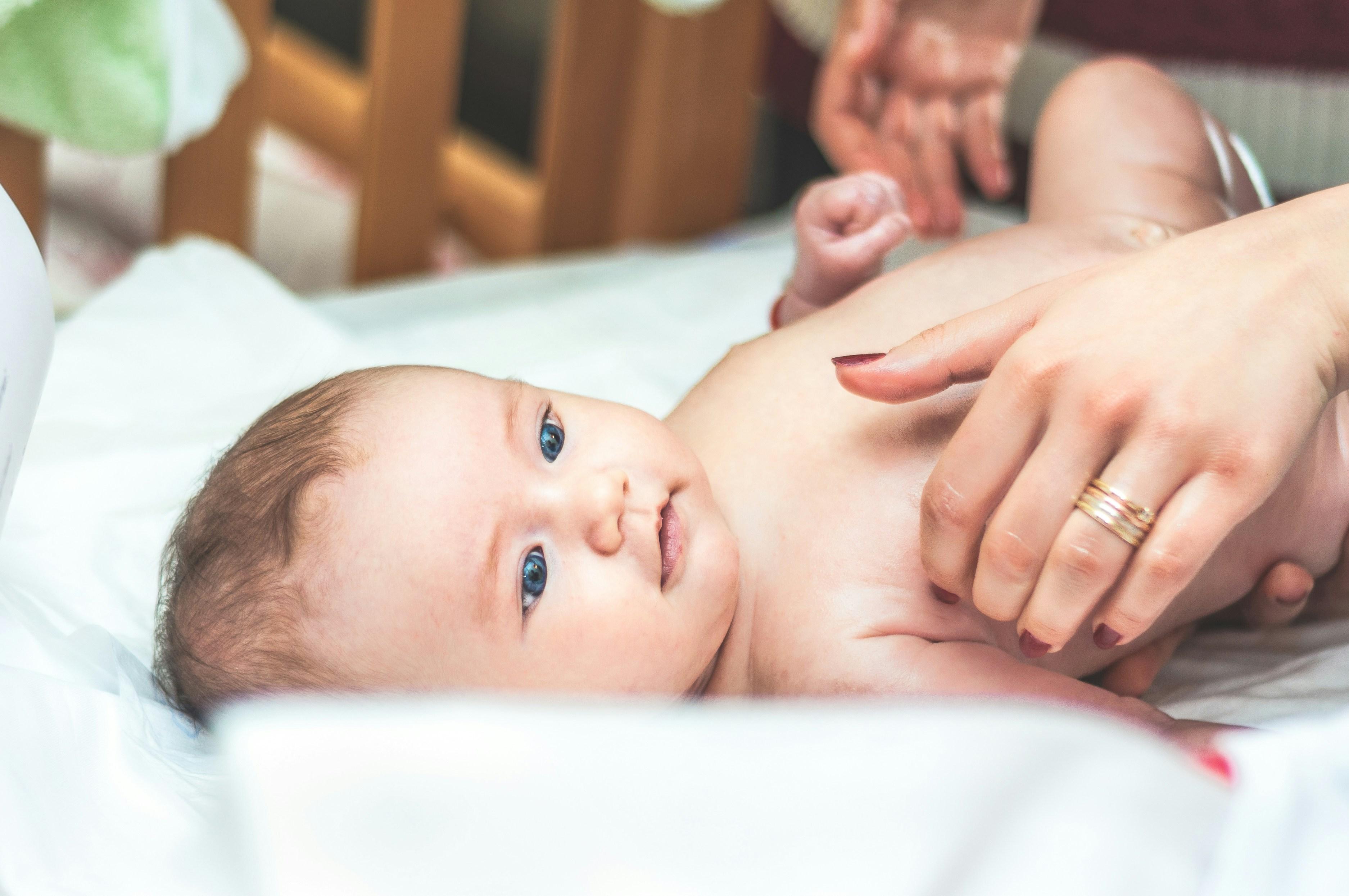
In the delicate world of human behavior, the bond between caregiver and infant is a tapestry woven from countless threads of touch and communication. Observing a parent gently caress a baby’s smooth skin unveils a remarkable area of biological behavior: tactile interaction. This simple act of touch is not just a ritual; it serves as a crucial form of communication that fosters an infant's development.
Biologically, touch stimulates the release of oxytocin, often referred to as the "love hormone." This chemical response is vital, as it enriches the emotional bond between parent and child, enhancing trust and nurturing behavior. Such early interactions are fundamental; they shape the neural circuits that underlie future social and emotional capabilities. Interestingly, research suggests that tactile stimulation can influence a baby’s growth and stress responses, demonstrating that a gentle massage is not merely a luxury but a necessity for early development.
At a glance, the mutual gaze shared during these tender moments conveys what words cannot express. A baby's wide-eyed curiosity and spontaneous smiles reveal an innate understanding of this communicative dance. Each touch elicits a reaction, a veritable conversation without spoken language, rendering the caregiver and the infant co-authors of their developmental journey.
Consider this: infants who engage frequently in touch-filled interactions show stronger language development by their second year. In a world increasingly driven by screens, it is fascinating to reflect on the primal language of touch that sustains human connection. With approximately 1,000 new neural connections forming every second in an infant’s brain, the significance of these early interactions cannot be overstated. The power of touch, both soft and firm, spreads far beyond its immediate effects; it lays the groundwork for a lifetime of interpersonal relationships, rooted in empathy and affection.
 Spanish
 Thai
Thai
 English
 French
 Portuguese
 Deutsch
 Turkish
 Dutch
Dutch
 Italiano
 Russian