


 New! Search Engine
 Über
Über
 Bedingungen
 Datenschutz
 Contact
 Invest
The Art of Touch: Understanding the Baby's World
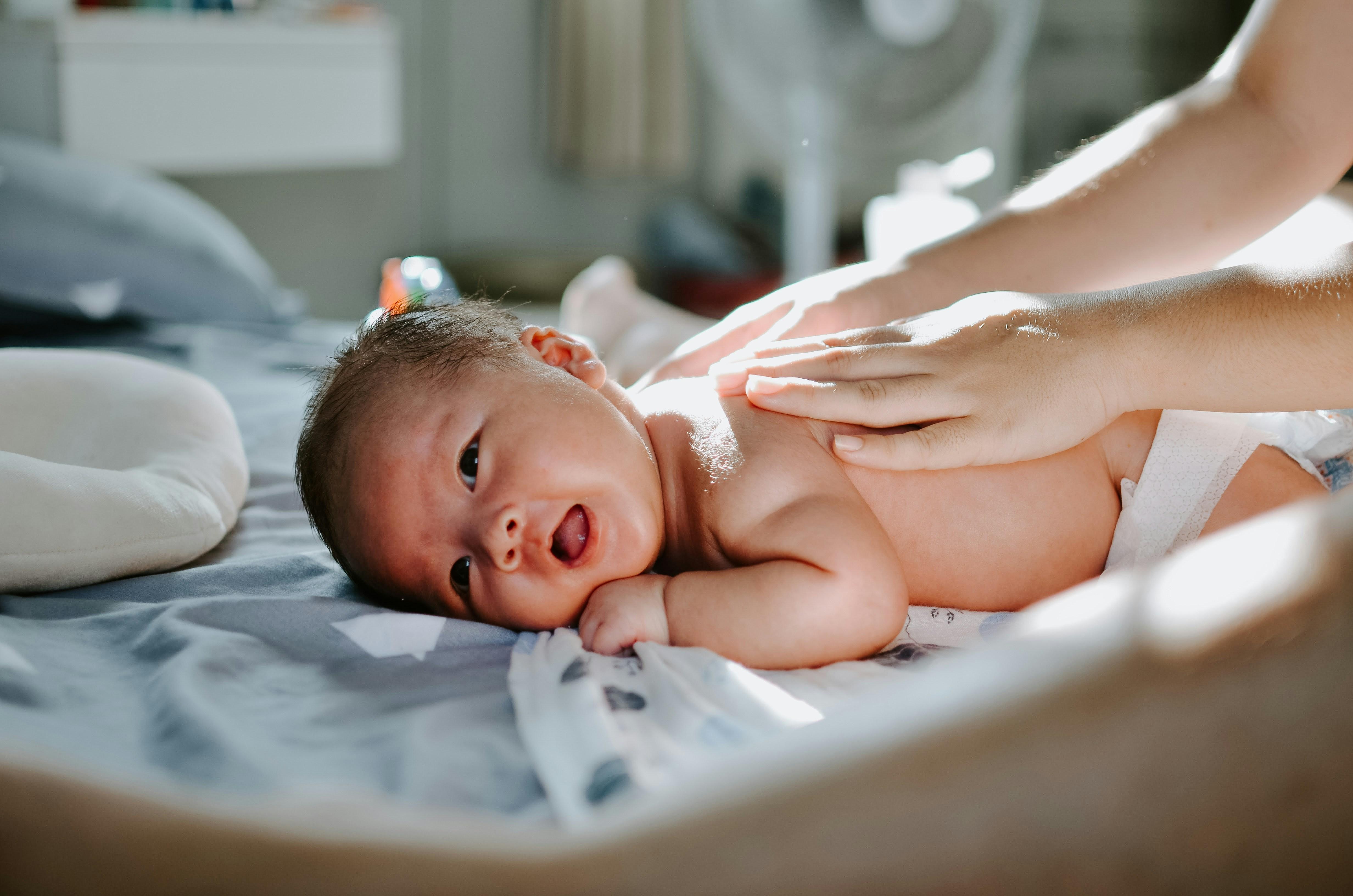
In a sunlit room filled with the lingering scents of baby powder and the faint chatter of daily life, a delicate scene unfolds. The baby's body, soft and warm, lies atop a bed of fabric, its skin kissed by gentle fingertips. This moment may appear simple, but it unveils layers of complexity inherent to biological behavior.
Research has illuminated the significance of tactile stimulation during early development. As the caregiver's hand caresses the baby's back, a cascade of physiological responses ignites—endorphins, oxytocin, and cortisol levels adjust, influencing emotional and physical health. Such nurturing interactions are vital, not only for comfort but also for establishing neural pathways that shape the child's future.
Babies possess an innate responsiveness to touch that surpasses mere sensation. Their skin is rich with sensory receptors, tuned to pick up nuances of pressure and warmth. With every stroke, the baby communicates its needs and feelings, crafting an emotional lexicon that fosters connection. In essence, this simple act of touch becomes a foundational language that nurtures trust and security.
It is somewhat amusing to consider that while an adult might yearn for independence, the baby’s world revolves around dependence on others’ care. The paradox is undeniable: in their reliance, they are catalysts for profound emotional bonds, effortlessly stitching together the fabric of human relationships.
As we reflect on these interactions, consider that studies suggest tactile bonding correlates with healthier emotional development. In fact, a surprising 70% of brain growth occurs in the first year of life, heavily influenced by experiences such as touch and affectionate care. Thus, what may seem like a simple moment in a sunbeam constitutes foundational groundwork for a thriving life ahead.
 Deutsch
 Thai
Thai
 English
 French
 Spanish
 Portuguese
 Turkish
 Dutch
Dutch
 Italiano
 Russian