


 New! Search Engine
 О нас
О нас
 Условия использования
 Конфиденциальность
 Contact
 Invest
The Subtle Art of Fox Observation
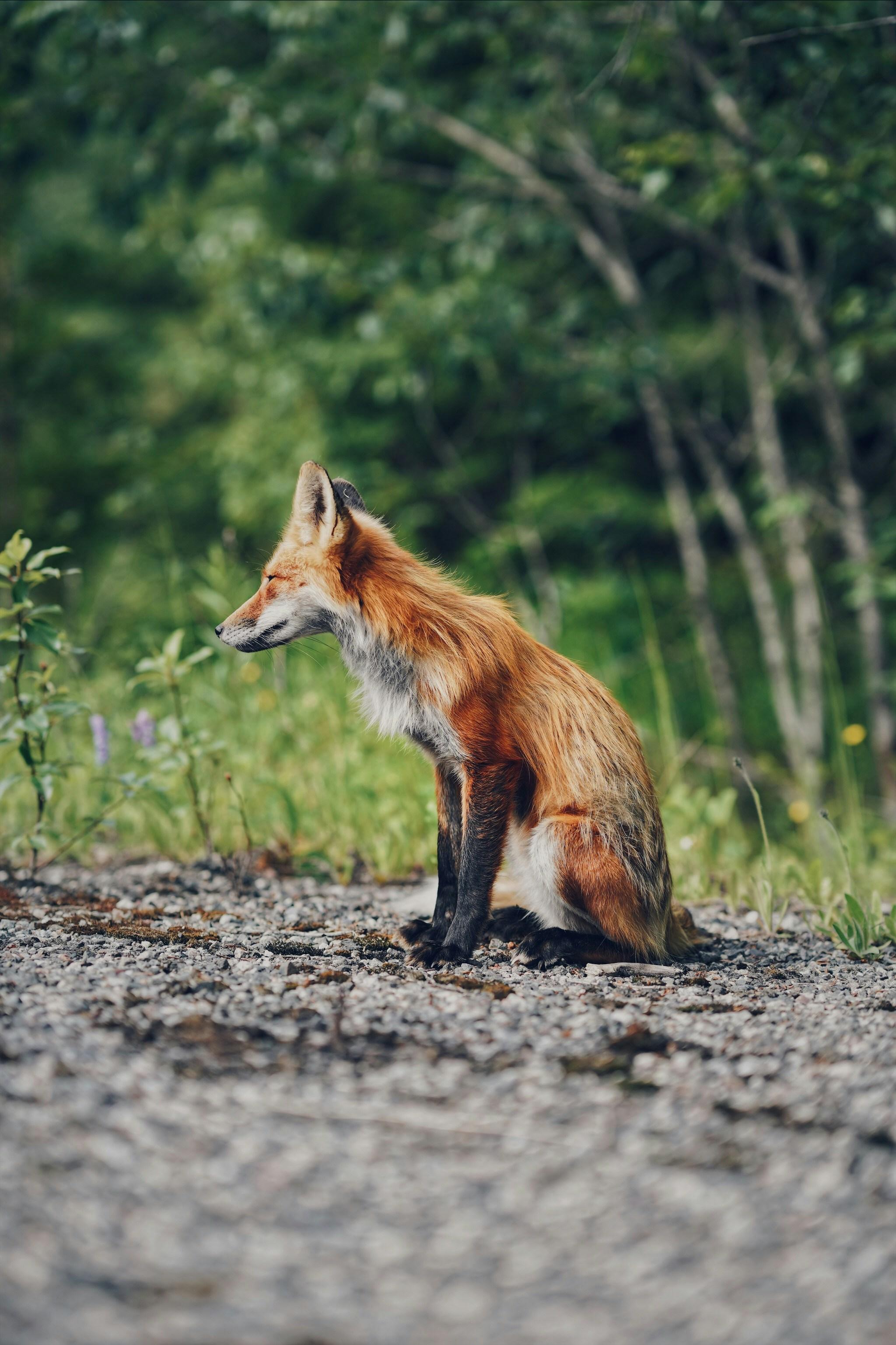
In the dense underbrush of temperate woodlands, one might catch a glimpse of a red fox, its vibrant coat blending seamlessly with the dappled sunlight filtering through the leaves. This cunning creature, often the subject of folklore, embodies a unique tapestry of behavior that deserves closer examination. The fox sits with an air of both alertness and patience, a testament to its keen survival instincts.
Foxes, members of the Canidae family, are renowned for their adaptability, a trait that speaks volumes about their evolutionary success. Their method of stalking prey is as much an art as it is instinctual; they can remain utterly motionless, quietly observing their surroundings, ready to leap into action at a moment's notice. This calculated stillness is essential for hunting, as many of their favorite meals—small mammals like rodents and rabbits—are skittish and easily spooked.
Yet, what may be less appreciated is the social complexity underlying their seemingly solitary behavior. While foxes can thrive alone, they are also social animals, engaging in intricate communication through vocalizations and scent-marking. Their playful nature reminds us that intelligence in the animal kingdom isn’t solely measured by survival skills but also by the capacity for social interaction and play.
In a world where a single fox may adjust its habits based on environmental conditions, it's intriguing to consider that these animals can make decisions that impact not only their lives but also the broader ecosystem. An estimated density of about two to forty foxes per square mile illustrates their remarkable adaptability to both urban and rural areas. Observing a fox, therefore, is more than just watching a wild animal; it invites reflection on the delicate balance of nature, where each creature plays a role in its ongoing narrative of survival.
 Russian
 Thai
Thai
 English
 French
 Spanish
 Portuguese
 Deutsch
 Turkish
 Dutch
Dutch
 Italiano