


 New! Search Engine
 About
About
 Terms
Terms
 Privacy
 Contact
 Invest
The Dance of Water and Grace
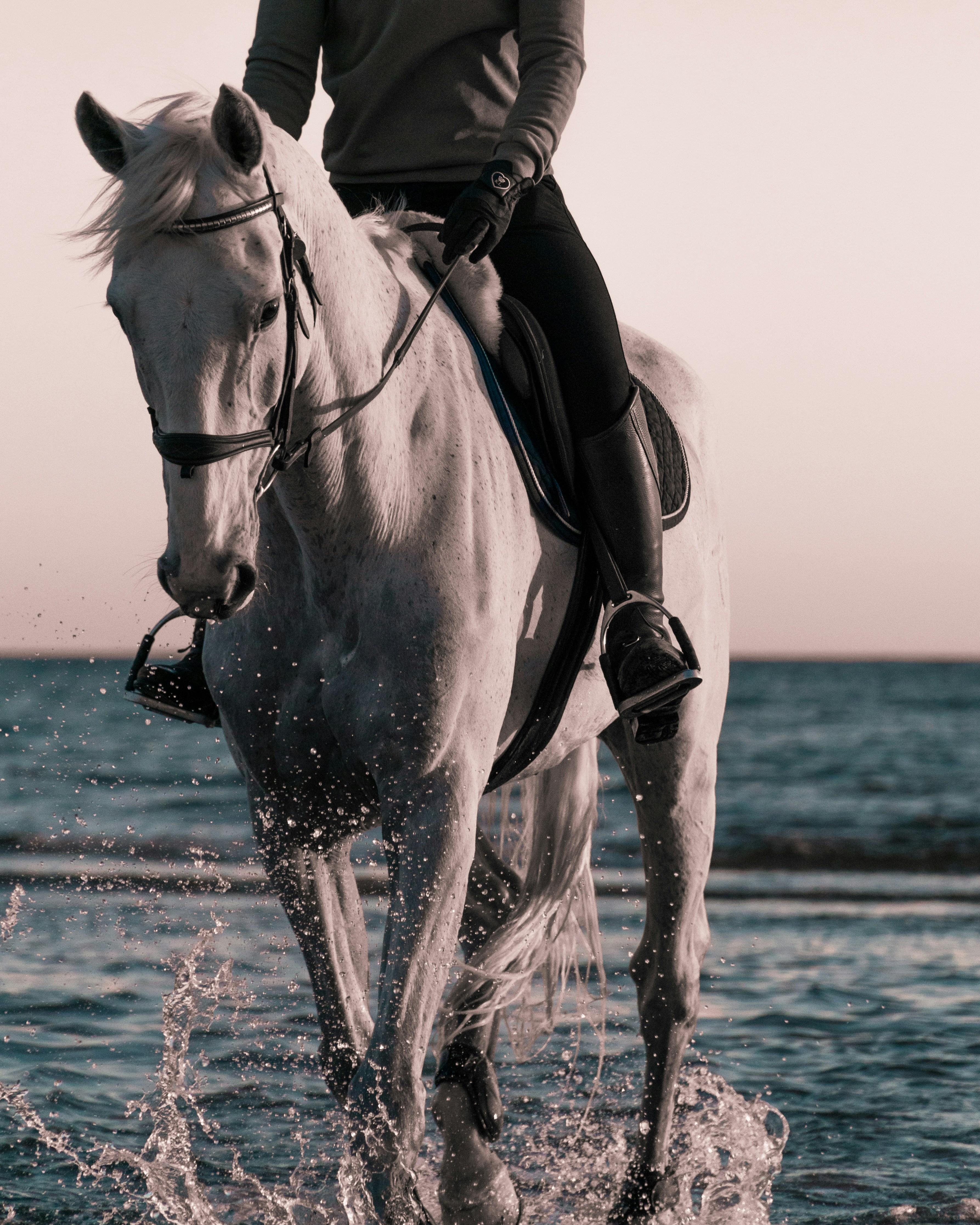
In a mesmerizing interplay of water and muscle, a horse traverses the shoreline, each hoofbeat punctuating the gentle lapping of waves. As the creature bursts through the shallows, the rising spray dances in the soft light, creating a spectacle akin to nature's own ballet. This scene underscores an intriguing aspect of biological behavior: the instinctive connection between equine and human.
Horses, highly social creatures, have evolved in herds, necessitating a sensitivity to their environment and companions. This innate behavior translates into the bond formed between horse and rider. It's not merely about riding; it’s about communication—non-verbal cues that establish trust and understanding. Research has shown that horses can even mirror human emotions, responding to feelings of confidence, anxiety, or calmness. The result? A partnership where both parties draw from an invisible reserve of instinct and empathy.
As the horse glides through the water, one might marvel at its elegance, yet beneath this surface beauty lies a remarkable physiology. The horse’s powerful limbs are designed not just for speed but for versatility, enabling it to navigate diverse terrains, from rocky trails to muddy puddles. In this harmonious setting, the horse embodies freedom, strength, and grace—traits that resonate deeply with human desires.
Interestingly, the average horse can gallop at speeds reaching up to 55 miles per hour, revealing a blend of anatomical efficiency and evolutionary purpose. As they trot through water, they actively cool themselves while simultaneously strengthening their muscles—a dual-purpose workout crafted by nature itself.
In this moment on the beach, as horse and rider become one, we’re reminded that the rhythms of life often echo across species, urging us to pause, reflect, and appreciate the marvels surrounding us. The next time you witness such a scene, consider the dance of evolution, emotion, and devotion that unfolds before your eyes.
 English
 Thai
Thai
 French
 Spanish
 Portuguese
 Deutsch
 Turkish
 Dutch
Dutch
 Italiano
 Russian