


 New! Search Engine
 About
About
 Terms
Terms
 Privacy
 Contact
 Invest
The Solitary Wisdom of the Black Bear
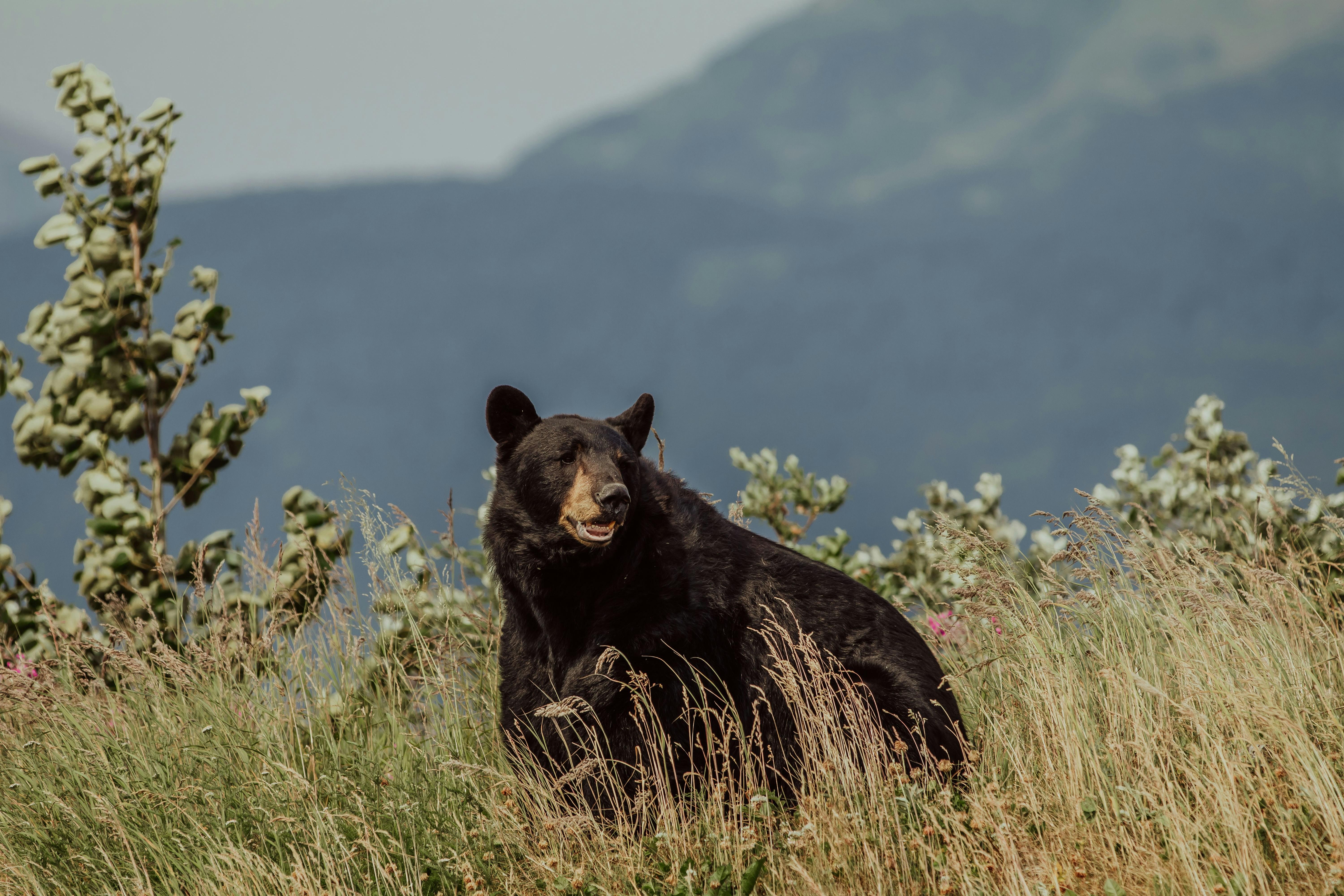
In the undulating landscapes of North America, the black bear emerges as a symbol of resilience and adaptability. With a robust physique and keen senses, this creature captures the imagination and stirs the curiosity of those who happen upon its path. Observing a black bear lounging in the wild is like watching a living testament to the intricate balance of nature. With the grass brushing against its fur, it seems to embody a tranquil yet vigilant spirit, embodying both strength and a kind of meditative presence.
Black bears are not just solitary figures; they are adept foragers and clever opportunists. While they often seem to meander without purpose, this apparent aimlessness is a sophisticated survival strategy. They are masterful at assessing their surroundings, maximizing their intake of nutrients during periods of abundance to accumulate fat reserves for the winter months. Surprisingly, despite their bulk, a black bear can climb trees with remarkable agility, a technique that offers a refuge from predators but also provides access to a diverse menu of berries and nuts.
Each bear has its own territory, which is communicated through a series of subtle markings and scent markings—practices that showcase an impressive form of communication that goes unnoticed by the casual observer. In this silent dialogue, bears maintain their social structure while honoring the boundaries necessary for coexistence. Their deep-rooted instincts about territory and food sources reveal a complexity often underestimated.
Statistics illustrate that black bears can consume up to 20,000 calories a day in preparation for hibernation, demonstrating a fascinating biological behavior that ensures their survival during adverse conditions. As we reflect on this gentle giant, it becomes clear that the black bear, with its intricate behaviors and adaptations, invites us to appreciate the delicate thread that binds all life in the wild, reminding us that wisdom can often be found in solitude.
 English
 Thai
Thai
 French
 Spanish
 Portuguese
 Deutsch
 Turkish
 Dutch
Dutch
 Italiano
 Russian