


 New! Search Engine
 About
About
 Terms
Terms
 Privacy
 Contact
 Invest
The Playful Art of Otter Behavior
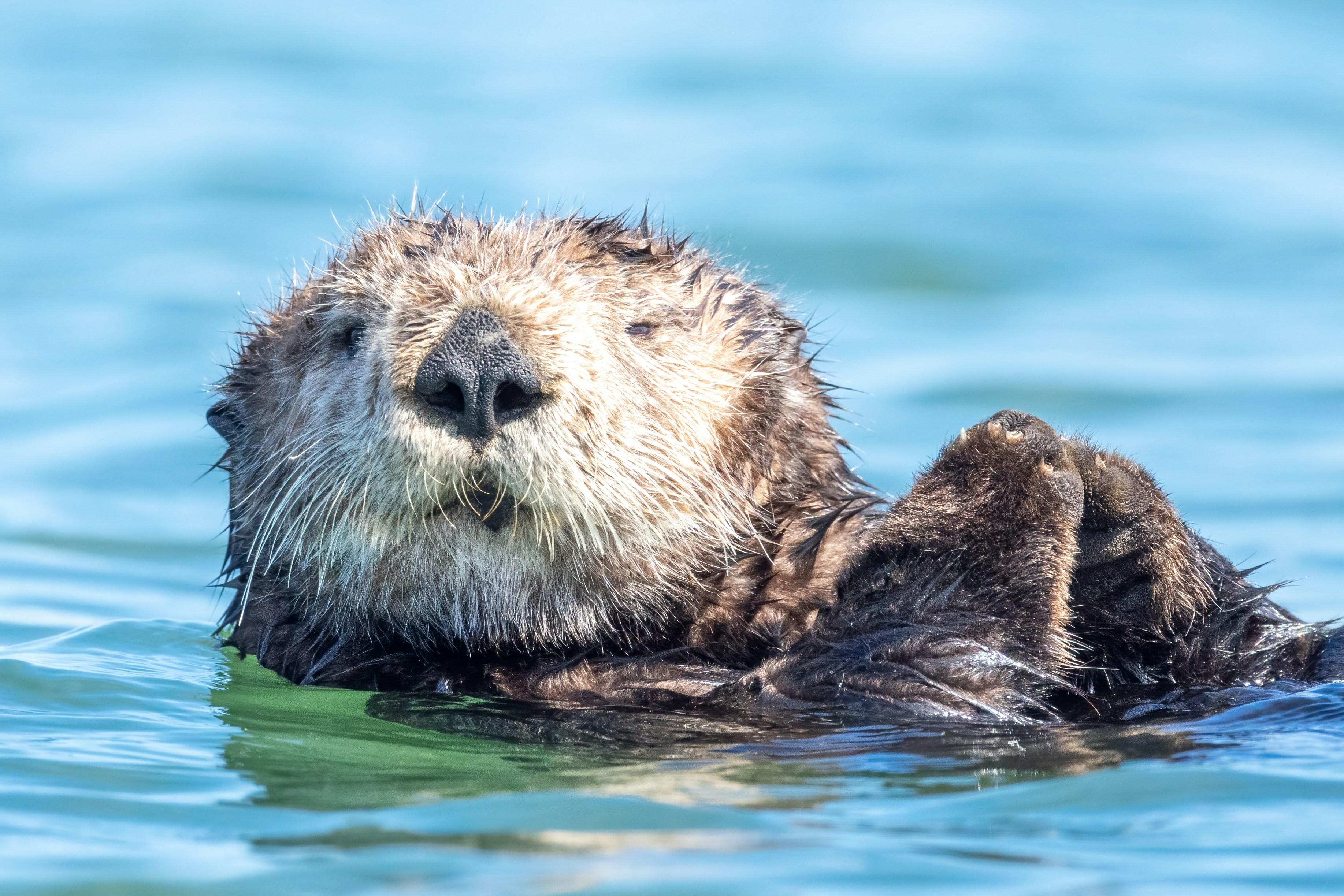
In the serene waters where sunlight dances across waves, an otter floats on its back, seemingly lost in a moment of bliss. With a face that could charm even the sternest of hearts, this marine mammal exhibits behaviors that are not just endearing but also rich with evolutionary meaning. Sea otters are renowned for their playful antics, which serve crucial roles in their survival and ecological balance.
These agile swimmers are not merely enjoying leisure time; their frolicking holds profound importance. For one, the act of floating on their backs while using tools—evidently cracking open shellfish with rocks—showcases not only intelligence but also a learned behavior vital for feeding. Observations indicate that otters have the densest fur of any animal, which keeps them buoyant while maintaining an impressive insulating layer against cold water, thus merging comfort with functionality.
The otter's penchant for social interaction is equally fascinating. Living in groups called rafts, they nurture strong social bonds, often seen playing with one another, grooming, or even sharing food. This camaraderie can enhance survival, as cooperative behaviors increase protection against predators and bolster hunting efficiency.
Yet, a more compelling layer lies beneath the surface: otters are keystone species. Their hunting habits help maintain kelp forests by controlling sea urchin populations, indirectly supporting diverse marine ecosystems. Remarkably, a single otter can consume up to 25% of its body weight in a day, underscoring the impact they have on their environment.
In a world where the plight of many species is dire, these aquatic creatures remind us of the intricate connections in nature. Approximately 90% of sea otter populations were lost due to hunting in the early 20th century. Today, their populations are slowly recovering, illustrating the profound effects of conservation efforts and the inherent resilience of life. Such reminders beckon a quiet reflection on our shared responsibility for the natural world and its remarkable inhabitants.
 English
 Thai
Thai
 French
 Spanish
 Portuguese
 Deutsch
 Turkish
 Dutch
Dutch
 Italiano
 Russian