


 New! Search Engine
 About
About
 Terms
Terms
 Privacy
 Contact
 Invest
The Gentle Giant: Understanding Bear Behavior
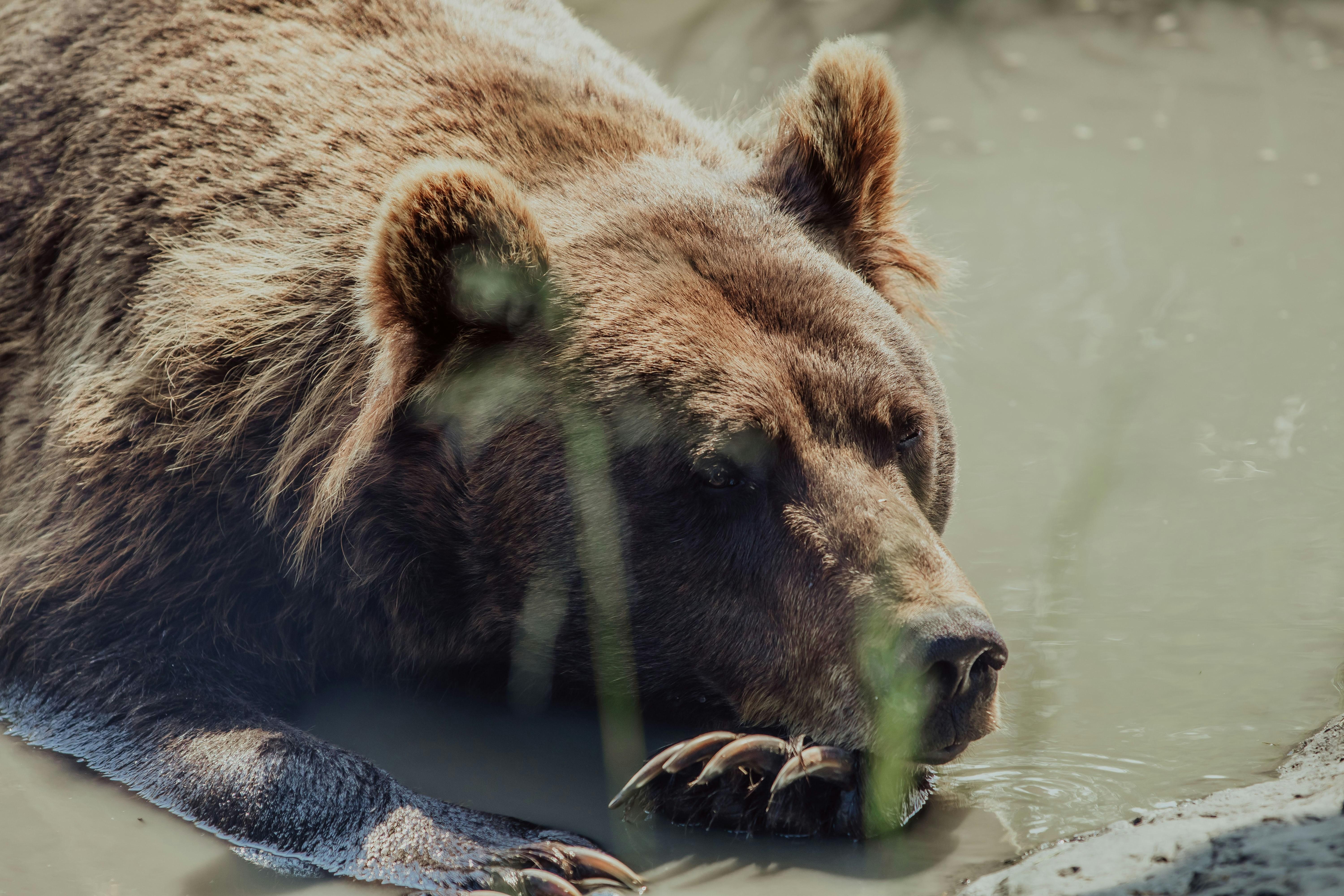
In the hushed sanctity of the wilderness, a bear reclines in a shallow pool, bringing forth a blend of power and tranquility. This moment captures the essence of nature's raw artistry, where biological behaviors speak volumes about adaptation and emotional intelligence in the animal kingdom. Known for their immense size and strength, bears also exhibit surprisingly gentle side, particularly in their bathing rituals, which highlight their remarkable adaptability.
Submerging in water serves multiple purposes for bears. It aids in thermoregulation, particularly during the sweltering summer months. The cool embrace of water not only provides relief but also plays a significant role in skin health. The act of swimming and splashing around helps remove parasites and promote skin hydration, making this seemingly leisurely activity a crucial part of their grooming ritual.
What’s more, this behavior has cognitive underpinnings. Bears are intelligent creatures, often displaying curiosity and playfulness. When engaging with water, they exhibit behaviors akin to that of children—splashing, rolling, and floating. These activities are not merely for survival; they also foster mental stimulation, illustrating the intricate link between cognitive health and behavioral expression.
The bear’s peaceful demeanor belies the fierce prowess it wields when necessary, creating a dichotomy that’s both fascinating and ironic. In a world that often celebrates aggression as strength, the bear reminds us that gentleness and adaptability can be equally powerful. Remarkably, an adult bear can consume up to 30,000 calories in a day when preparing for hibernation, demonstrating how busy these gentle giants truly are, even during their moments of leisure.
 English
 Thai
Thai
 French
 Spanish
 Portuguese
 Deutsch
 Turkish
 Dutch
Dutch
 Italiano
 Russian