


 New! Search Engine
 About
About
 Terms
Terms
 Privacy
 Contact
 Invest
The Art of Rest in Nature's Giants
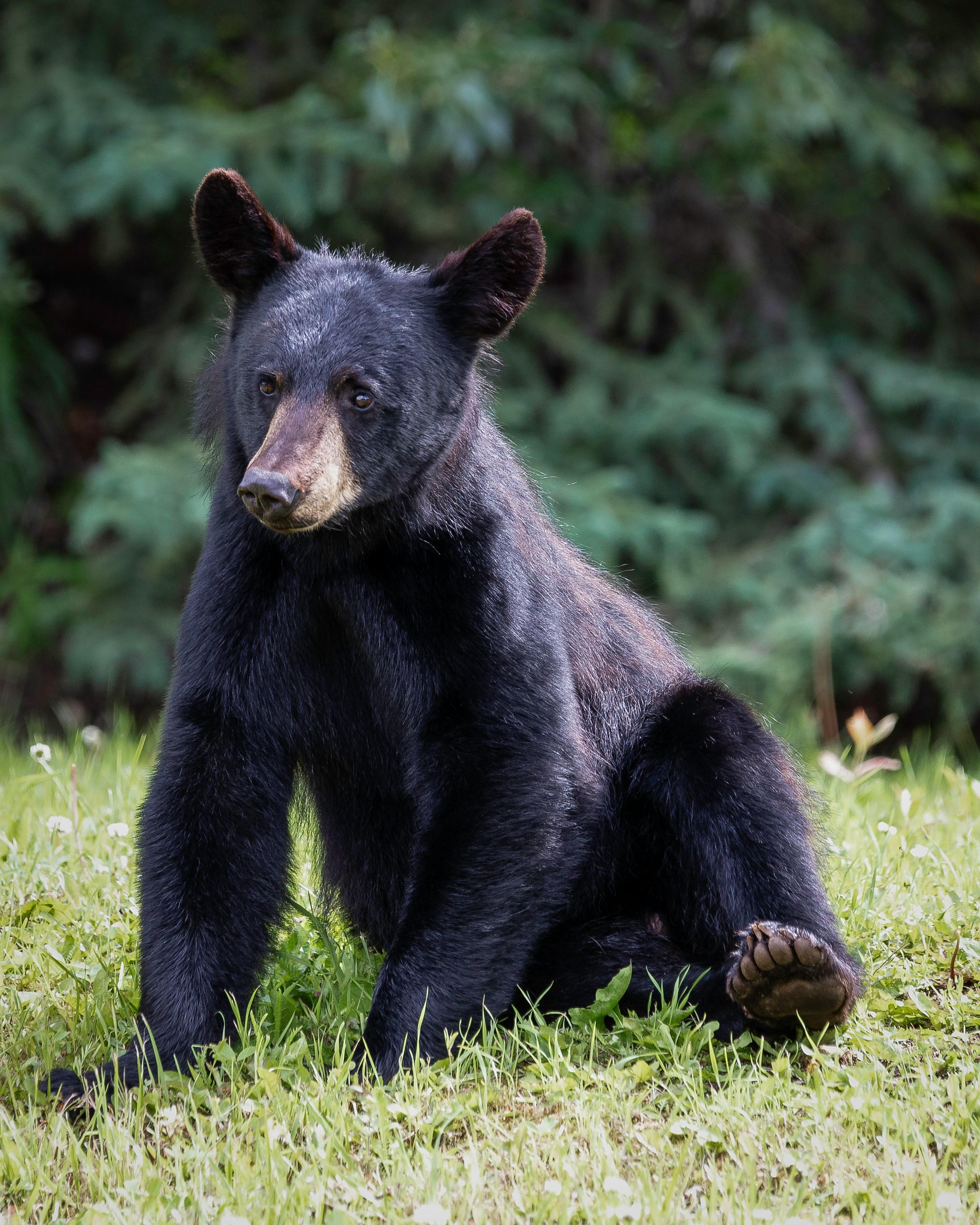
In a tranquil moment captured beneath a canopy of verdant greens, a black bear embodies the essence of a creature perfectly adapted to its surroundings. This observation provides a window into the intriguing world of animal behavior, particularly the significance of rest in the lives of large mammals. For these giants, inactivity is not merely a pause from the hustle of foraging but a strategic play in energy management.
Bears, like the one resting serenely in the grass, are calorically intensive animals. They typically need to consume vast amounts of food to sustain their mass, particularly in preparation for the long hibernation months. The ability to switch seamlessly between moments of intense activity and stillness is a finely honed survival tactic. During these quiet periods, physiological processes engage that promote recovery, growth, and energy conservation. The act of resting itself can bolster the immune system, a crucial aspect given the variety of pathogens and environmental stresses these animals encounter.
One might even humorously compare a bear’s languid demeanor to that of a couch potato, but the similarities end with the appearance of repose. A study revealed that bears can enter a state of REM sleep, which is essential for cognitive function and emotional health. So, while the bear may appear simply to be lounging, it is busy performing a complex set of biological processes.
In essence, this bear is a symbol of nature’s equilibrium, illustrating how vital rest is to survival. With bears spanning climates from Alaska to the Southern Appalachian mountains, they represent resilience in the wild. The balance they maintain is a reminder to appreciate both the active and the peaceful moments in life, much like the black bear spends about 20 hours a day in rest and foraging strategies. Reflecting on these behaviors, one might be prompted to consider that perhaps making time for tranquility could be just as nourishing for us as it is for them.
 English
 Thai
Thai
 French
 Spanish
 Portuguese
 Deutsch
 Turkish
 Dutch
Dutch
 Italiano
 Russian