


 New! Search Engine
 About
About
 Termini e Condizioni
 Privacy
 Contact
 Invest
The Science of Play: Why It Matters
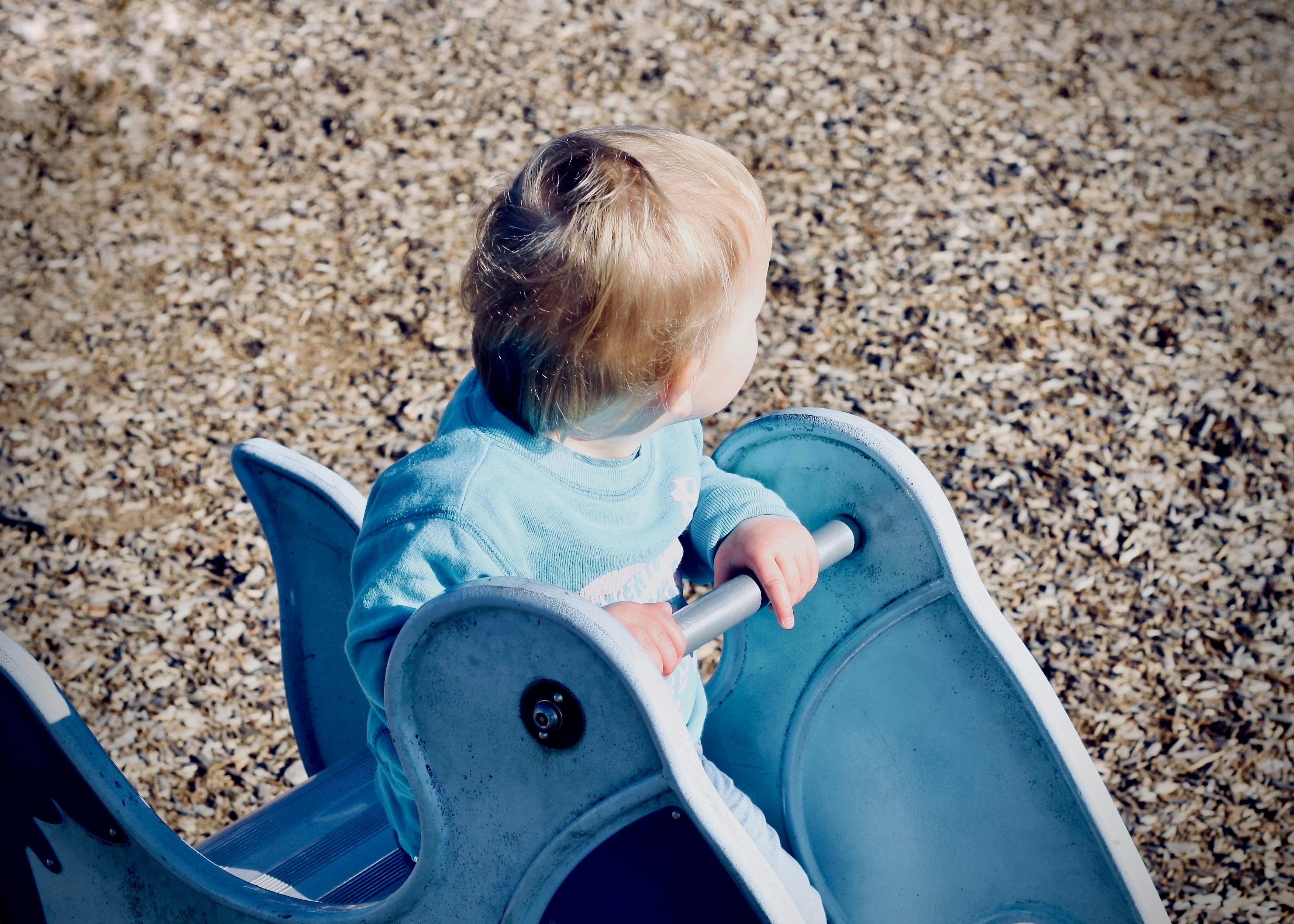
In the innocent realm of childhood, few activities present more joy and educational value than the simple act of play. Observing a young child navigating a playground, one can see instinctual behaviors and lessons in action. The child, perched on a whimsical creature resembling a friendly dinosaur, showcases early cognitive development through imaginative interaction. This seemingly trivial exercise explores foundational skills such as balance, coordination, and social interaction.
Play, far from being a mere pastime, is a fundamental behavior crucial to human development. It serves as a microcosm of life's vast complexities. Through play, children learn to assess risk and engage in problem-solving, often trial and error. Each wobble and tentative grip on the slide's rail speaks volumes about burgeoning self-confidence. It’s fascinating to realize that 90% of a child’s brain develops by age five, with play acting as one of the primary driving forces behind this growth.
Moreover, play acts as a safe haven for social bonding. The playful squeals and chatter fill the air with contagious laughter. These interactions forge connections not only with peers but also help build empathy and cooperation skills. The child, engrossed in exploration, demonstrates a fundamental truth: through play, we are not just learning about our environment but about ourselves and each other.
In essence, this intimate dance of play paints a vivid picture of biological behavior and adaptability. With children spending an average of four hours a week engaged in unstructured play, it stands as a powerful reminder of nature's design to equip the young for the complex social fabric they will navigate as adults. Through mindful observation of such interactions, we can appreciate the art and science of play, reassuring us that sometimes the simplest moments yield the most profound insights.
 Italiano
 Thai
Thai
 English
 French
 Spanish
 Portuguese
 Deutsch
 Turkish
 Dutch
Dutch
 Russian