


 New! Search Engine
 Über
Über
 Bedingungen
 Datenschutz
 Contact
 Invest
The Silent Communicator of the Wild
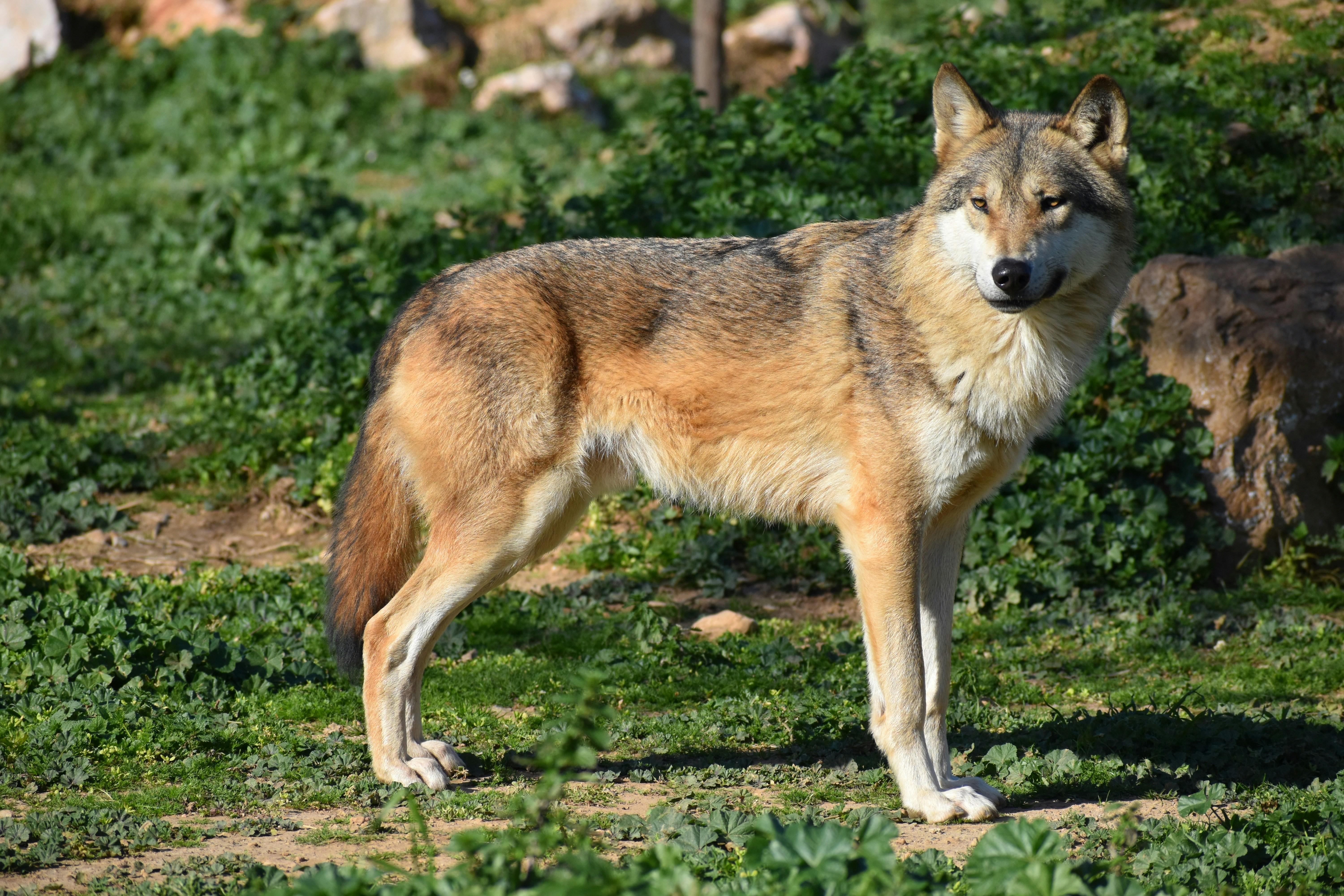
In the realm of biological behavior, few creatures embody the art of silent communication as vividly as the wolf. This majestic animal, often revered for its cunning and adaptability, offers an intriguing study into how subtle signals govern interactions within its pack. A wolf standing in its natural habitat, poised but observant, showcases a unique, intricate dance of body language that speaks volumes beyond mere vocalizations.
Wolves are known for their rich social structures, and their behaviors reflect a remarkable blend of hierarchy and teamwork. When a lone wolf elevates its head or slightly shifts its ears, it isn't merely a benign gesture; it's part of an elaborate system of signals used to maintain order and cohesion. The subtle arch of a back or the positioning of a tail can convey anything from a warning to an invitation to play. Observing these interactions, one might chuckle at how these seemingly playful antics are the biological underpinnings of survival.
Moreover, the apex predator's keen sense of smell and hearing plays a crucial role in their social capabilities. Their remarkable ability to detect pheromones serves as an additional layer of communication, affecting pack dynamics in unseen but significant ways. In fact, a wolf can identify smells from several miles away, integrating these cues into their behavioral repertoire. This complexity invites us to appreciate how animal communities operate through nuanced interactions, often without the need for boisterous displays.
Reflecting on the wild, the wolf exemplifies a blend of instinct and learned behavior, illustrating just how multifaceted survival can be. With their social bonds and versatile communication strategies, wolves remind us that effective connection often thrives in the quietest moments, a testament to the art of being understood without uttering a sound. In wolf packs, approximately 30% of communication occurs through non-verbal signals, revealing the power of what goes unsaid.
 Deutsch
 Thai
Thai
 English
 French
 Spanish
 Portuguese
 Turkish
 Dutch
Dutch
 Italiano
 Russian