


 New! Search Engine
 Sobre
Sobre
 Termos
 Privacidade
 Contact
 Invest
Polar Bears: Masters of Adaptation
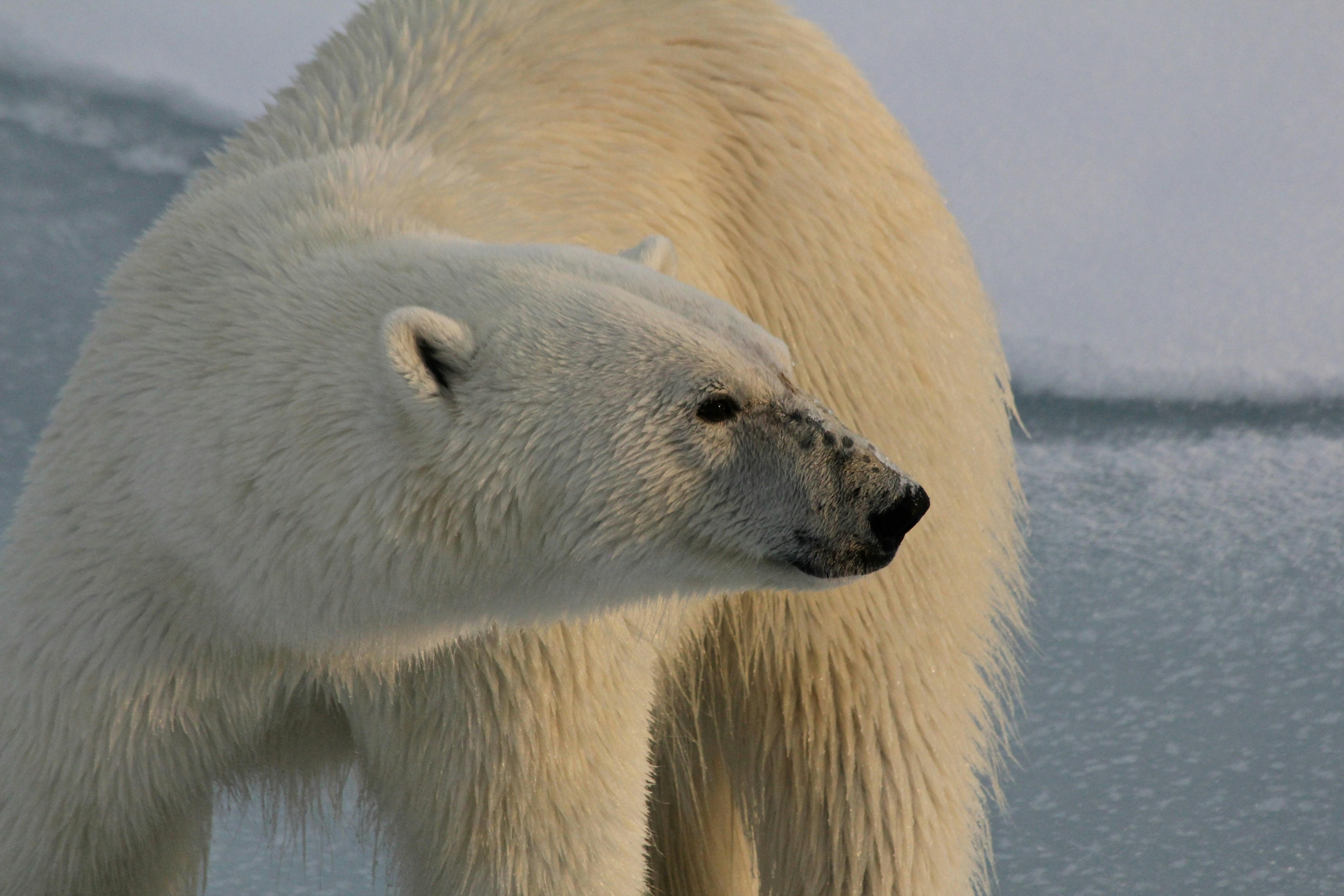
In the frigid expanses of the Arctic, where sub-zero temperatures reign and sea ice is both a lifeline and a hunting ground, polar bears navigate their frozen world with a combination of grace and resilience that captivates the imagination. Their thick, insulating fur and a layer of blubber help them withstand the biting cold, allowing them to roam for miles in search of seals, their primary prey. However, what makes these magnificent creatures truly remarkable is their ability to adapt their behavior to the shifting conditions of their environment.
Observation reveals that polar bears are not only proficient hunters but also deeply skilled at conserving energy. When food is scarce, they can enter a state resembling hibernation, reducing their metabolic rate significantly to survive extended periods without nourishment. This counterintuitive strategy highlights a survival instinct finely tuned through evolutionary history, emphasizing the necessity of energy management in such a harsh climate. Their keen sense of smell, capable of detecting a seal nearly a mile away, complements this energy-saving tactic, ensuring that every move counts.
Equally fascinating is their social structure. Unlike many other bear species, polar bears are often solitary, yet they display surprising altruism at times, especially between mothers and their cubs. The bond between a mother and her young is so profound that she will sacrifice her own food to ensure their survival. This touching display of dedication offers a glimpse into the complexities of polar bear behavior, revealing that even in the harsh world of the Arctic, there is room for nurturing and connection.
As climate change dramatically alters the Arctic landscape, polar bears face unprecedented challenges, with their icy habitats disappearing at an alarming rate. This stark reality serves as a poignant reminder of the delicate balance within ecosystems. It is estimated that polar bear populations may decline by up to 30 percent by 2050 if current trends continue. Thus, the next time one gazes at the impressive silhouette of a polar bear on drifting ice, it’s worth reflecting not only on their majesty but also on the pressing need for awareness and action in protecting their future.
 Portuguese
 Thai
Thai
 English
 French
 Spanish
 Deutsch
 Turkish
 Dutch
Dutch
 Italiano
 Russian