


 New! Search Engine
 Über
Über
 Bedingungen
 Datenschutz
 Contact
 Invest
The Curious Charm of Canine Communication
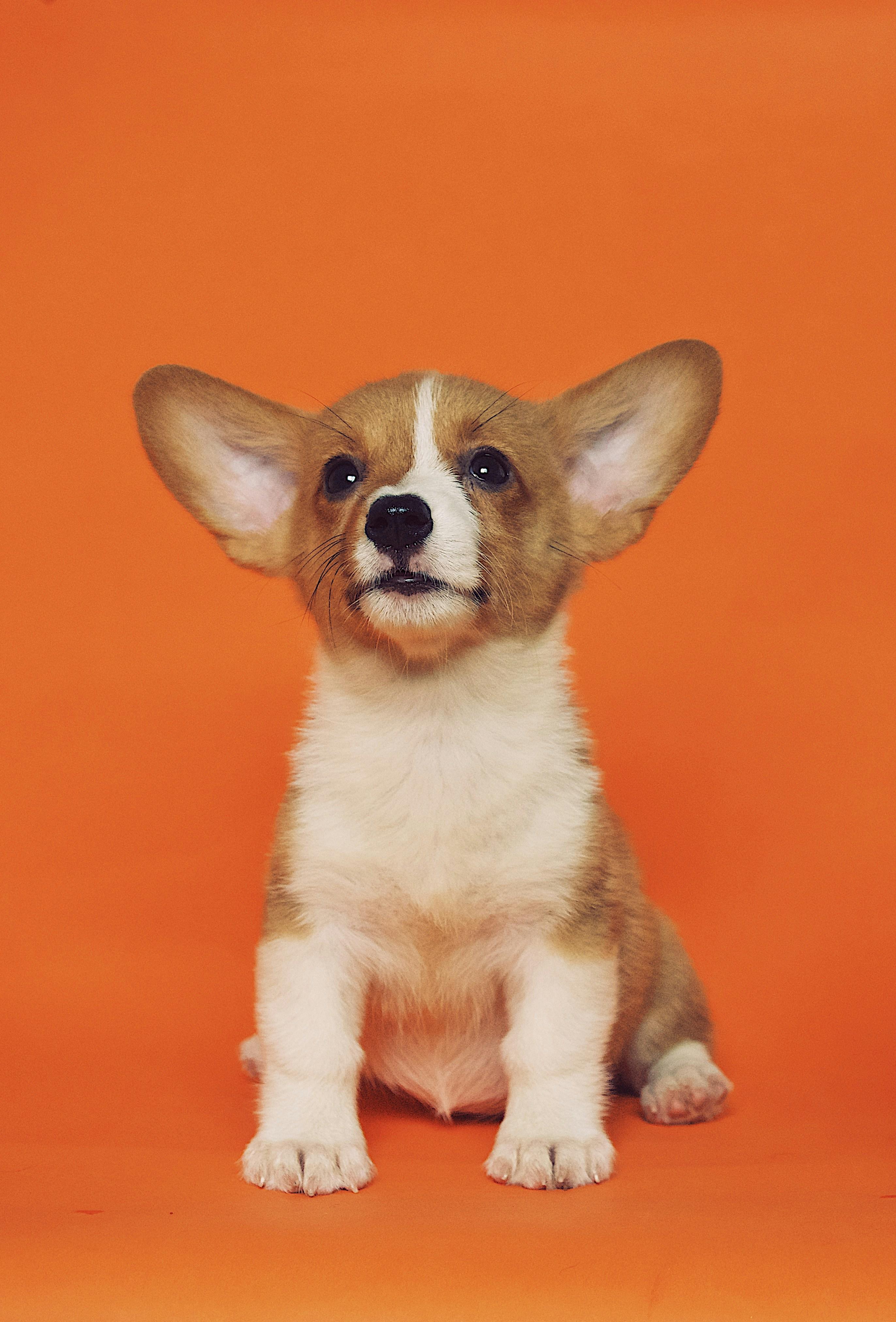
In a world rich with diversity, few creatures capture our hearts quite like the canine companions that share our homes. Take a moment to observe a puppy: perhaps a corgi with its majestic ears and pint-sized stature. While they may appear whimsical, their biological behaviors reveal a complex tapestry of communication intricacies.
Puppies like this little corgi are not just bundles of joy; they are masterful communicators. Through myriad behaviors—tail wagging, play bows, and gentle nudges—they convey a spectrum of emotions. Researchers suggest that dogs share similar vocal and body language cues with us, bridging the gap between species. This remarkable adaptation helps them thrive alongside humans, encouraging cohabitation and companionship.
Their ears, large and expressive, perform dual roles—capturing sounds with impressive sensitivity and augmenting their facial expressions. While engaging in play, the corgi’s ears might perk up, conveying excitement, while a deliberate lowering could signal submission. Interestingly, dogs exhibit a form of “facial mimicry,” mirroring human expressions to enhance bonding. It’s as if they instinctively know that the way to our hearts often requires a well-timed head tilt.
Puppies are social learners, absorbing behavior from their environment. Observations indicate that a pup's play style can be influenced significantly by its human or canine companions. Considering that dogs share 84% of their genetics with wolves, they have evolved into social beings capable of deep emotional connections.
In the end, gazing at this charming corgi, we realize that behind the playful antics, there lies a fascinating story of evolution and adaptation. Stats reveal that approximately 67% of households in the U.S. have a pet, and each one of those dogs contributes to the rich narrative of human-animal relationships. Such interactions remind us of the joy and complexity embedded in biological behaviors that unite species in unexpected ways.
 Deutsch
 Thai
Thai
 English
 French
 Spanish
 Portuguese
 Turkish
 Dutch
Dutch
 Italiano
 Russian