


 New! Search Engine
 About
About
 Terms
Terms
 Privacy
 Contact
 Invest
The Artful Hunter in Winter's Embrace
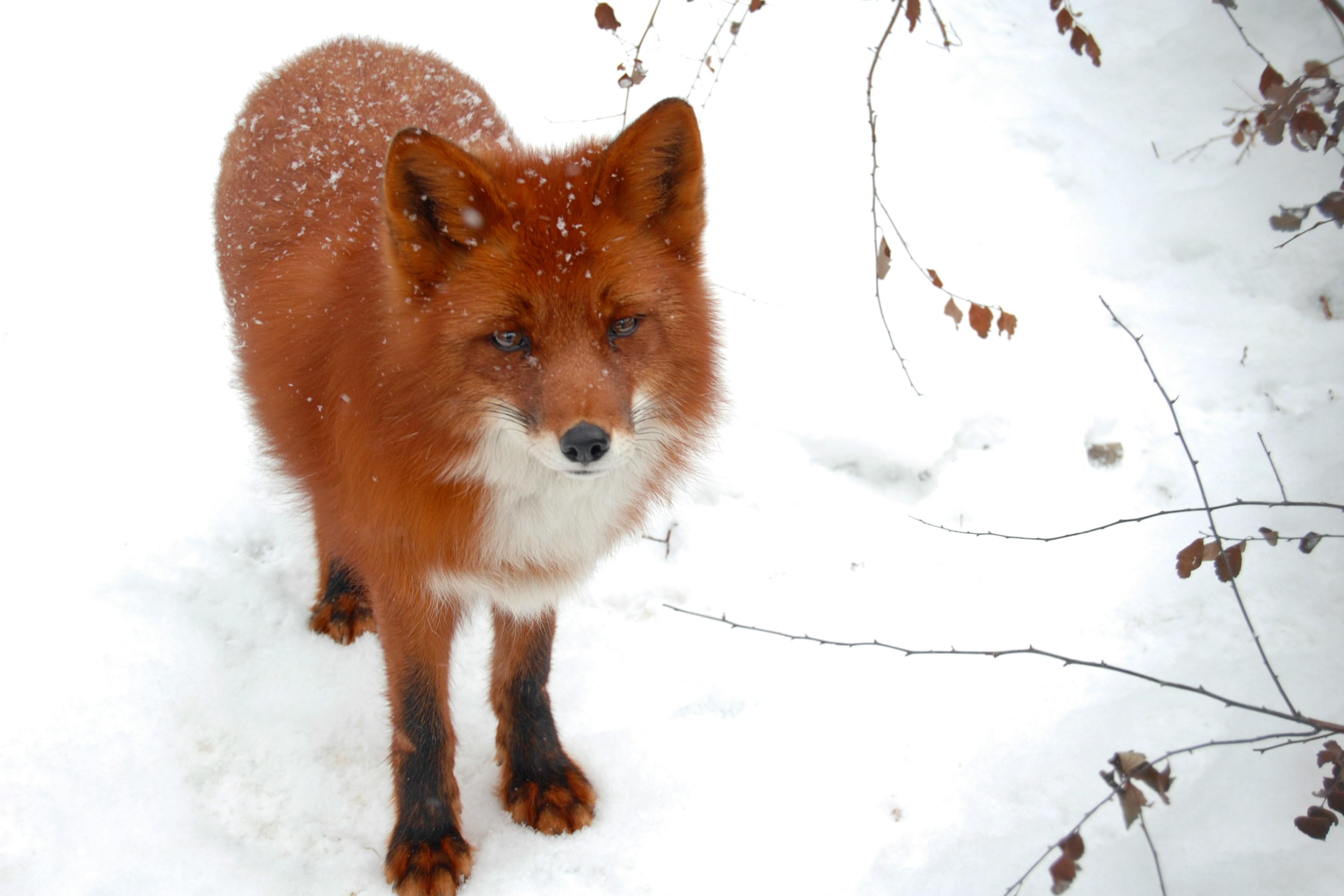
In the quiet solitude of winter, when the world outside feels like a silvery dream, the red fox emerges as both a vivid splash of color and a master of survival. Stealthily traversing the snow-covered landscape, this creature exemplifies the fascinating interplay between instinct and environment. With fur that seems almost ablaze against the white backdrop, the red fox, or Vulpes vulpes, uses its natural camouflage to blend into the surroundings when necessary, making it an artful hunter in a wintry wonderland.
These agile mammals are equipped with remarkable adaptations that allow them to thrive even in extreme conditions. Their keen sense of hearing enables them to detect movements beneath the snow, while their bushy tails serve not only to stabilize during agile maneuvers but also as a warm blanket during sleep. Yet, despite these adaptations, the fox's behavior reveals an impressive blend of calculated risk and playful curiosity; chasing snowflakes or darting between trees can often seem like a dance, reminding us that survival doesn't have to be devoid of joy.
Interestingly, the red fox's social structure is equally captivating. Typically, they are solitary hunters, yet they have intricate social games, often engaging in vocalizations that range from high-pitched barks to low growls. Such communications are essential for marking territory or calling upon a mate, revealing a complex social life beneath their seemingly lone existences.
Encounters with these charming creatures remind us of the nuanced relationships formed in ecosystems. A study indicates that fox populations can experience declines as temperatures drop; yet, their adaptability often leads to a resurgence as resilience in nature prevails. As we ponder the quiet strength of the red fox amid biting cold conditions, we learn that survival is not just a struggle but also a beautiful dance—one that showcases the artistry inherent in biological behavior.
 English
 Thai
Thai
 French
 Spanish
 Portuguese
 Deutsch
 Turkish
 Dutch
Dutch
 Italiano
 Russian