


 New! Search Engine
 About
About
 Terms
Terms
 Privacy
 Contact
 Invest
The Dance of Attachment: A Study in Human Connection
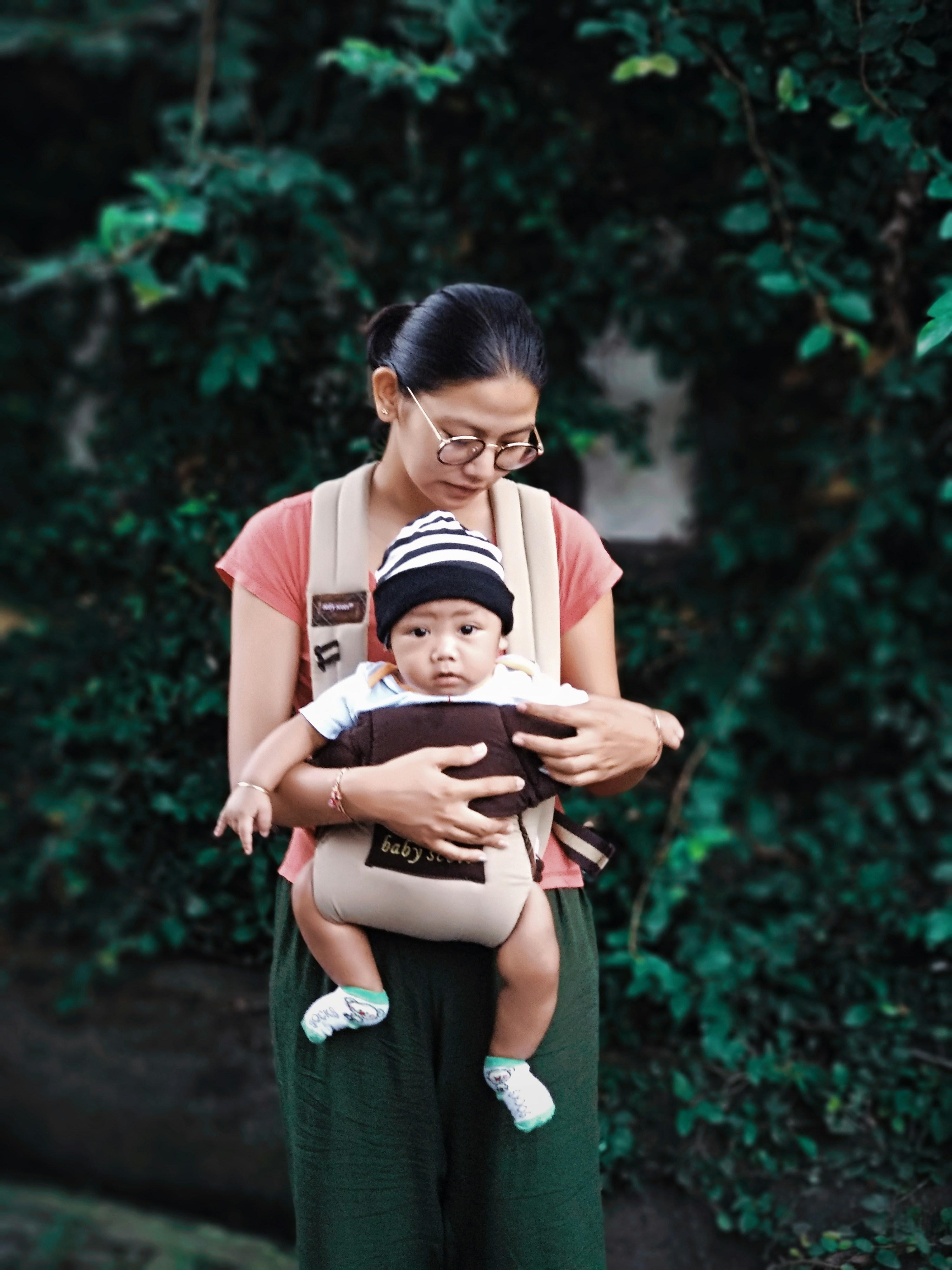
In the gentle cradle of a city neighborhood, where greenery embraces the architecture as if trying to reclaim it, a subtle yet profound moment unfolds. A mother lovingly secures her child in a baby carrier, nestled closely against her body. This image encapsulates more than mere parental vigilance; it illustrates a complex biological behavior rooted in the essence of human connection and attachment.
From the moment of birth, humans are wired for connection. This reliance on caregivers—emerging from our evolutionary past—ensures survival. Infants come equipped with an innate ability to bond, their instinctual cues invoking care from those around them. In this frame, we observe an intimate relationship where physical closeness serves as a foundation for emotional security. The act of carrying a child, as observed in countless cultures, is not just about mobility; it's a dance of mutual reassurance. The mother’s steady hands reflect a biological drive rooted in oxytocin release. Known as the 'bonding hormone,' oxytocin fosters attachment and trust.
Interestingly, the child, seemingly unaware of the world outside the gentle cocoon, embodies a yearning for safety and warmth. Neurobiological studies reveal that infants thrive on this proximity, which not only calms them but also aids cognitive development. This interplay of affection and biology accentuates the adage that it “takes a village” to raise a child, emphasizing a communal network of support.
In a world that often feels hurried and disconnected, this snapshot urges us to reflect on the fundamental nature of our relationships. With nearly 90% of brain development occurring in the first three years, nurturing environments become paramount, transforming basic survival into deep emotional resilience. The silent exchange between mother and child is an echo of humanity's shared journey toward understanding and affection.
 English
 Thai
Thai
 French
 Spanish
 Portuguese
 Deutsch
 Turkish
 Dutch
Dutch
 Italiano
 Russian