


 New! Search Engine
 About
About
 Términos
 Privacidad
 Contact
 Invest
The Unseen Bond: Canine Companionship in Urban Spaces
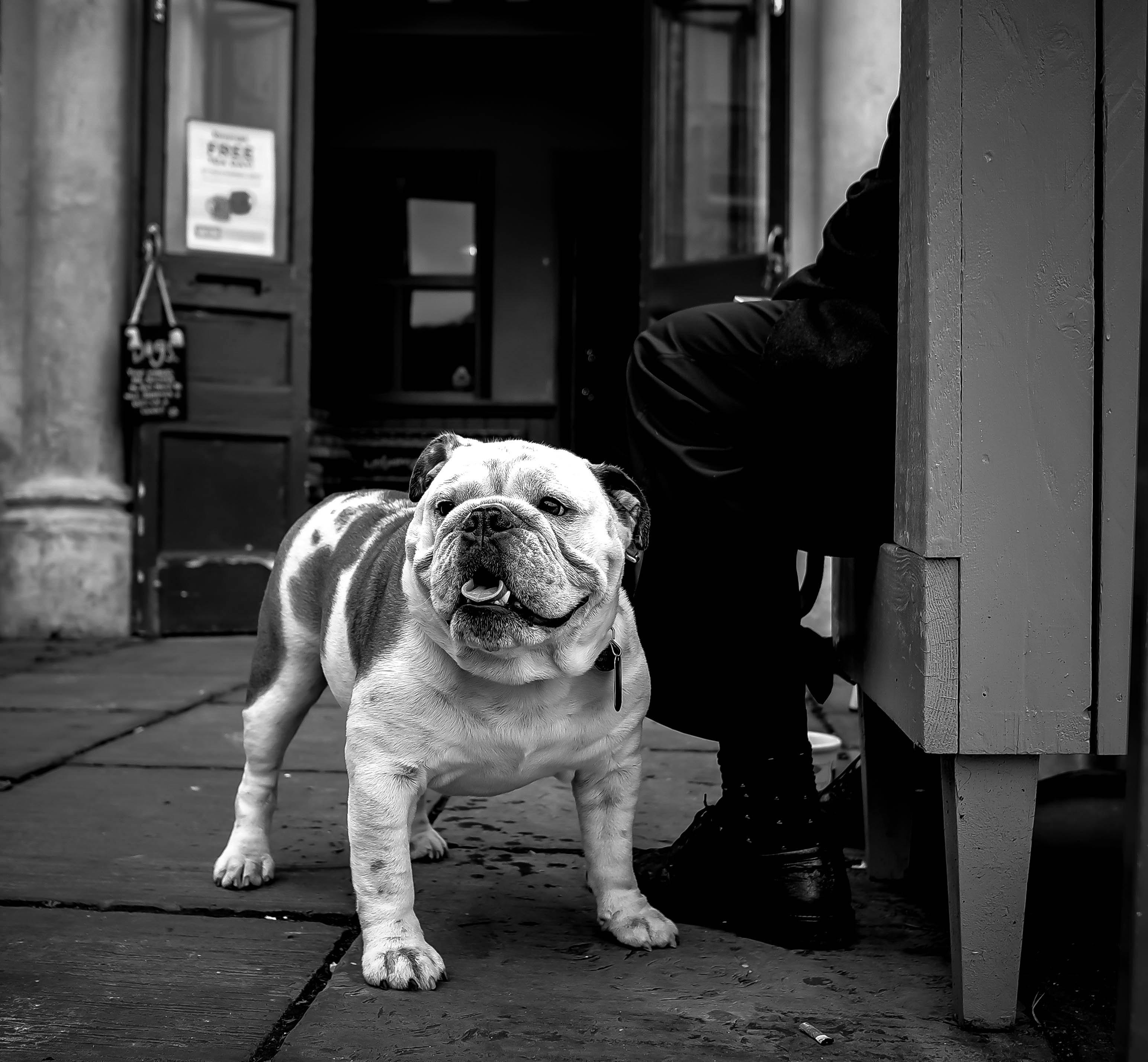
In the heart of a bustling city, a bulldog stands sentinel, a soft silhouette against the stone backdrop of an ancient building. This moment is more than just a snapshot; it encapsulates the fascinating interplay of biological behavior and urban life. Dogs have evolved from wild ancestors into cherished companions, exhibiting an unprecedented adaptability that intrigues scientists and pet owners alike.
The relationship between humans and dogs, deeply rooted in history, flourishes in urban settings. This bulldog, for instance, is not merely a pet; he is a social anchor, skillfully navigating the complexities of a crowded world. With a calm demeanor, he seems to embody the tranquility that eludes many city dwellers. His posture communicates an awareness of his surroundings, highlighting a natural instinct to bond with humans while simultaneously maintaining a keen vigilance.
Studies suggest that dogs are capable of reading human emotions, a skill honed over thousands of years of domestication. This bulldog's slight grin and curious stance may signal his readiness for companionship or perhaps a simple request for a treat. In such interactions, we witness a blend of biological instincts and social learning that enriches both species' lives. His seated human companion, absorbed in the moment, might reflect a shared understanding that transcends words—a secret language born from mutual respect and affection.
Every wag of a tail and tilt of a head serves as a reminder of the uncountable ways animals enrich our lives. In urban environments, where isolation can be pronounced, the simple presence of a dog can significantly lower stress. Studies indicate that pet ownership can reduce anxiety by up to 40%. As we savor these fleeting moments with our canine companions, it becomes evident that the bonds we share are as intricate as they are profound, revealing the captivating dance of biological behavior that flourishes in the most unexpected places.
 Spanish
 Thai
Thai
 English
 French
 Portuguese
 Deutsch
 Turkish
 Dutch
Dutch
 Italiano
 Russian