


 New! Search Engine
 About
About
 Terms
Terms
 Privacy
 Contact
 Invest
In the early morning mist, a majestic elk stands as a testament to the intricate dance of survival that shapes our natural world. With antlers extending like intricately branched trees, this creature embodies both strength and vulnerability, capturing a fl
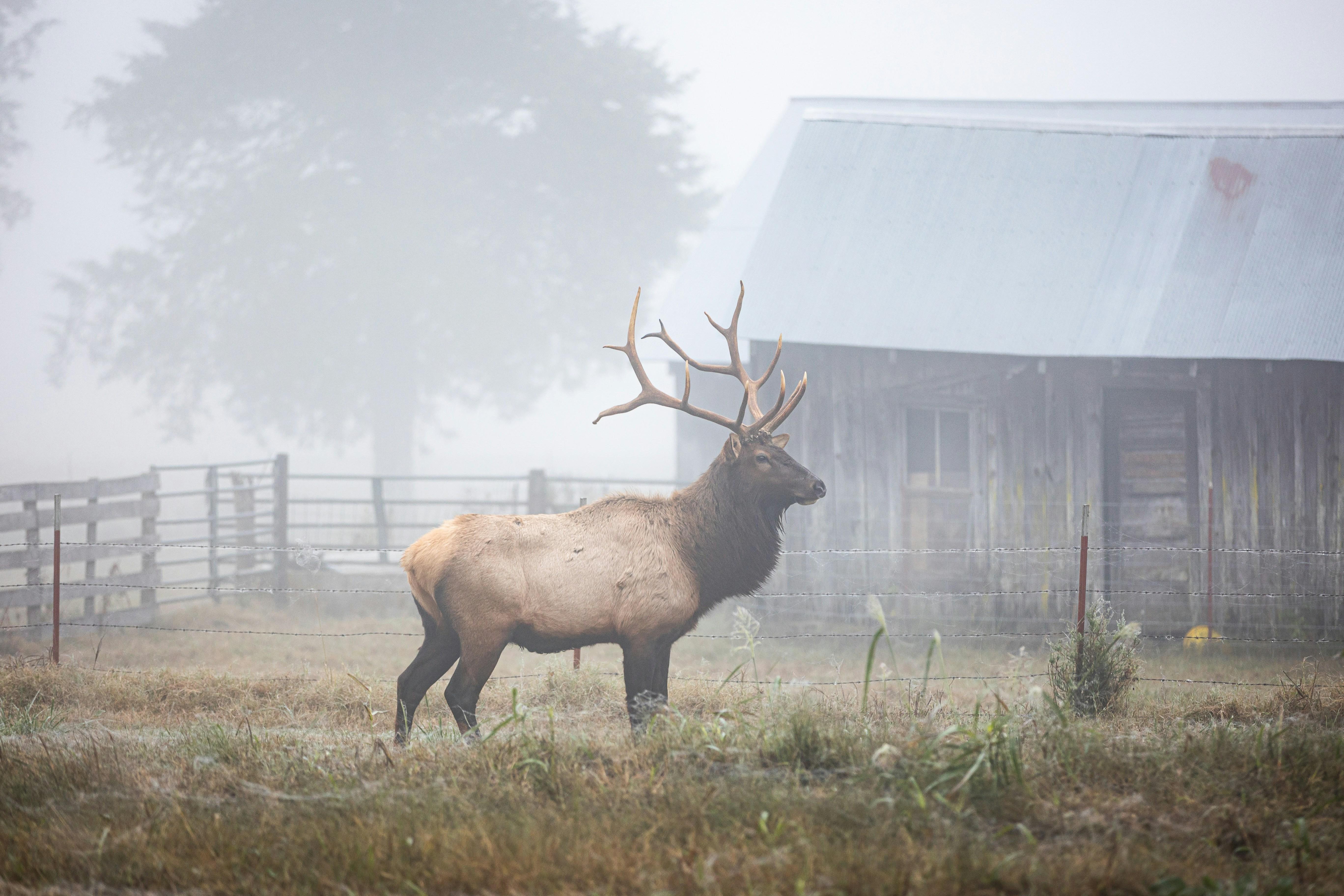
The enigmatic fog that surrounds this elk adds layers to its behavior. Fog can influence the senses of wildlife, affecting how they communicate and navigate. Elk possess acute hearing and smell, but in thick mist, they rely more heavily on these senses, creating a range of interactions shaped by altered perceptions. Observing this majestic animal, one might also reflect on a lesser-known fact: elk are capable of vocalizing in varying pitches and tones. This nuanced communication helps establish territory and maintain social bonds within herds.
Interestingly, elk populations have historically fluctuated due to both environmental factors and human intervention. In the 19th century, unregulated hunting almost decimated North American elk. However, conservation efforts have seen their numbers grow again, making them a symbol of resilience. Recent estimates suggest a reestablished population of nearly one million across North America, living reminders of the delicate balance between human influence and wildlife preservation. This singular elk, standing resolute amid the mist, serves as both a challenge and an inspiration, inviting reflection on the wild’s ability to thrive against the odds. In the grand web of life, it is compelling to witness such interwoven narratives of struggle and survival, echoing through the ages.
 English
 Thai
Thai
 French
 Spanish
 Portuguese
 Deutsch
 Turkish
 Dutch
Dutch
 Italiano
 Russian