


 New! Search Engine
 О нас
О нас
 Условия использования
 Конфиденциальность
 Contact
 Invest
The Thrill of Childhood Exploration
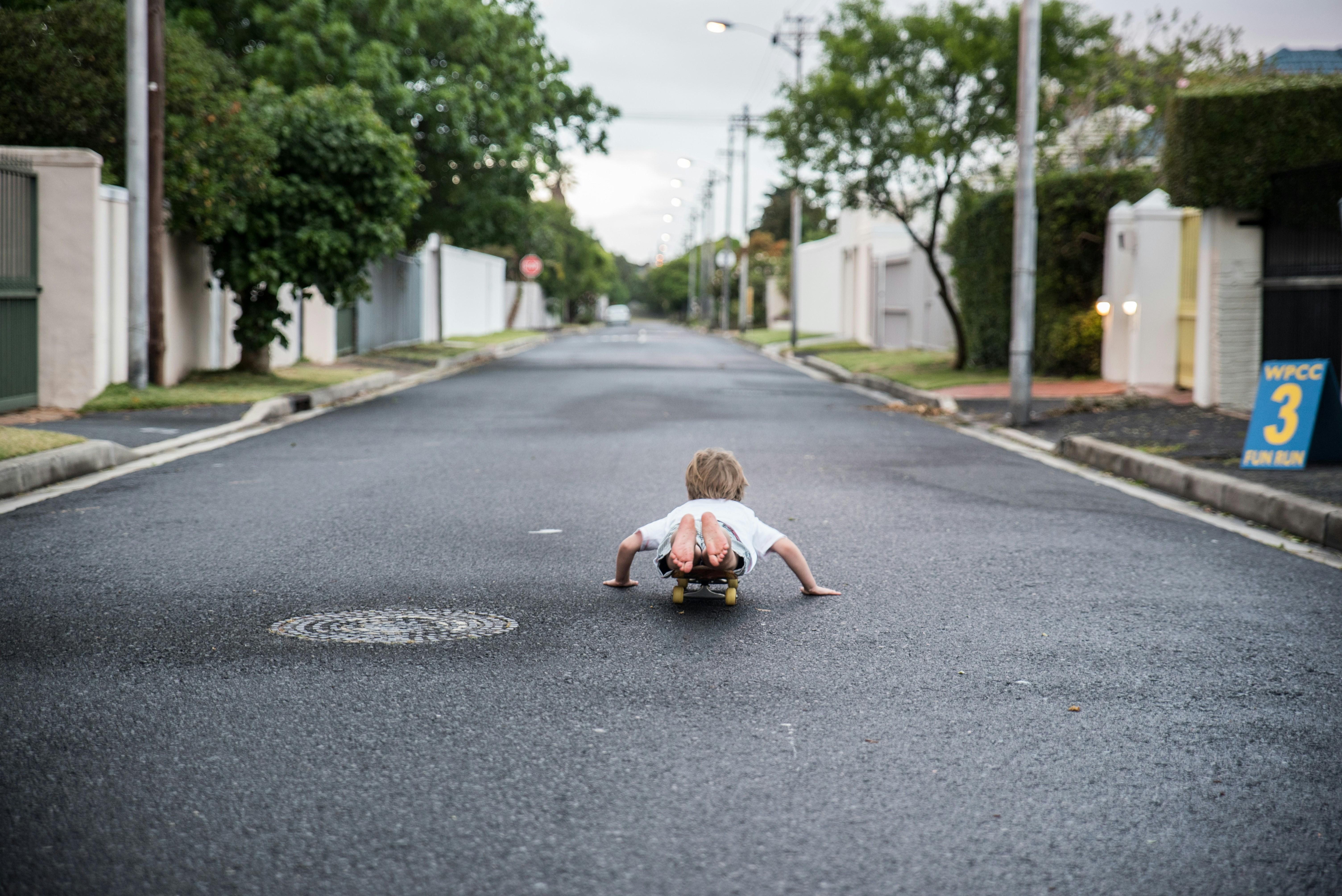
In the quiet expanse of suburban life, an unexpected spectacle unfolds: a small child sprawled across a skateboard, darting down the asphalt with a carefree exuberance that feels almost primal. This scene is a small ode to human curiosity and the innate drive for exploration, a reminder that childhood is a time filled with unfiltered joy and risk-taking.
From a biological perspective, behaviors like this are not mere whims; they are critical components of learning and adaptation. The urge to ride a skateboard, even if it means defying traditional norms of sitting or standing, embodies the spirit of exploration that is pivotal for children. They are natural scientists, methodically experimenting with balance, momentum, and gravity, absorbing lessons that cannot be taught in a classroom. The child’s mixture of giggles and concentration reflects an instinctive grasp of physics, revealing how even the simplest actions are steeped in complex biological processes.
What could be interpreted as reckless joy is, in fact, a fundamental aspect of development. Children often engage in risky play, which studies show is crucial for their emotional and physical growth. As they navigate these miniature adventures, they are not just playing; they are pushing boundaries and testing limits, an essential practice for building resilience.
Imagine this: on average, children can fall over one hundred times a day during play. Each spill and tumble is less a failure and more a calculated step toward mastery and confidence. In this way, our tiny skater on the skateboard is a symbol of humanity’s enduring drive to explore—the thrill of the unknown laced with the wisdom of instinct. As we watch, we are reminded that in the world of nature, every small adventure counts towards a larger understanding of one’s place in it.
 Russian
 Thai
Thai
 English
 French
 Spanish
 Portuguese
 Deutsch
 Turkish
 Dutch
Dutch
 Italiano