


 New! Search Engine
 О нас
О нас
 Условия использования
 Конфиденциальность
 Contact
 Invest
The Silent Counsel of Wolves
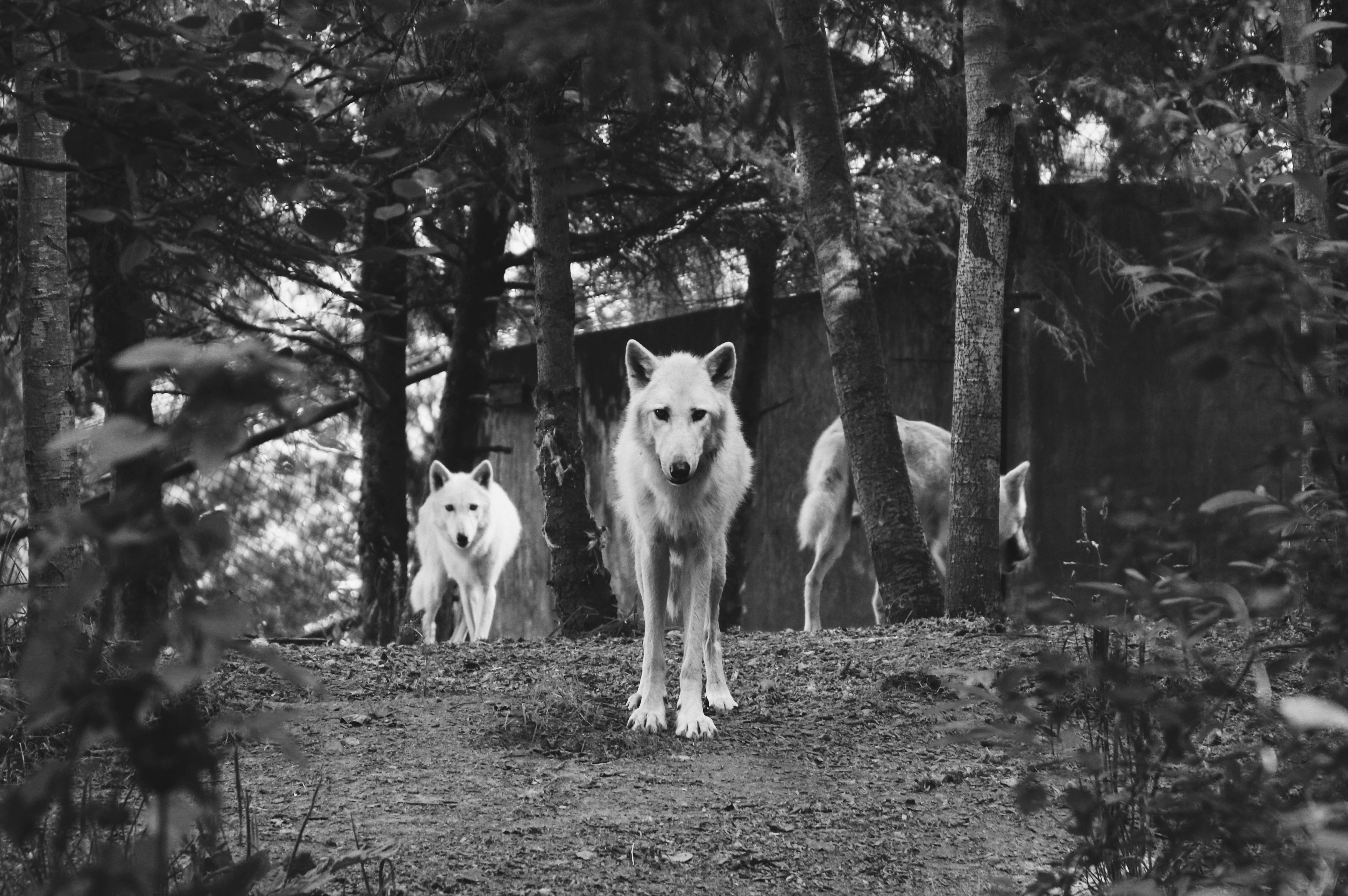
In the hushed tones of a forest, the ethereal presence of wolves evokes the kind of primal admiration typically reserved for legendary creatures. This intricate social structure unfolds at the intersection of instinct and communication, relying heavily on their keen ability to read body language and respond with remarkable synchronicity. Wolves don’t just howl; they engage in a complex dialogue through gestures, postures, and vocalizations that reveal a myriad of emotions and intentions.
Consider the three wolves captured in a moment of stillness, seemingly observing their surroundings with a curiosity that borders on contemplation. Each one is attuned to the subtle shifts in their companions' stances, a behavior critical for maintaining harmony within the pack. Their relationships are not merely hierarchical; they are steeped in collaboration and emotional intelligence. A nuzzle from a subordinate can signal submission or offer comfort, while an upright stance might express readiness for potential threats.
It's compelling to think that a wolf's expression and positioning can convey a wealth of information without uttering a sound. This is nature's version of silent counsel, where even the briefest glance carries weight. Research suggests that wolves possess cognitive abilities comparable to some primate species, with a 2014 study revealing their capacity to recognize familiar individuals and gauge social dynamics based on past interactions.
As a final reflection, consider this: wolves, roaming in unison, display an intelligence that stretches beyond survival. They highlight a world of behavioral complexity that mirrors human social constructs. In the wild, these remarkable creatures remind us that communication transcends words, as evidenced by the astonishing fact that a pack may form lasting bonds that endure for years, revealing an inherent need for connection that resonates deeply within us all.
 Russian
 Thai
Thai
 English
 French
 Spanish
 Portuguese
 Deutsch
 Turkish
 Dutch
Dutch
 Italiano