


 New! Search Engine
 About
About
 Koşullar
 Gizlilik
 Contact
 Invest
The Graceful Giant: Understanding Moose Behavioral Ecology
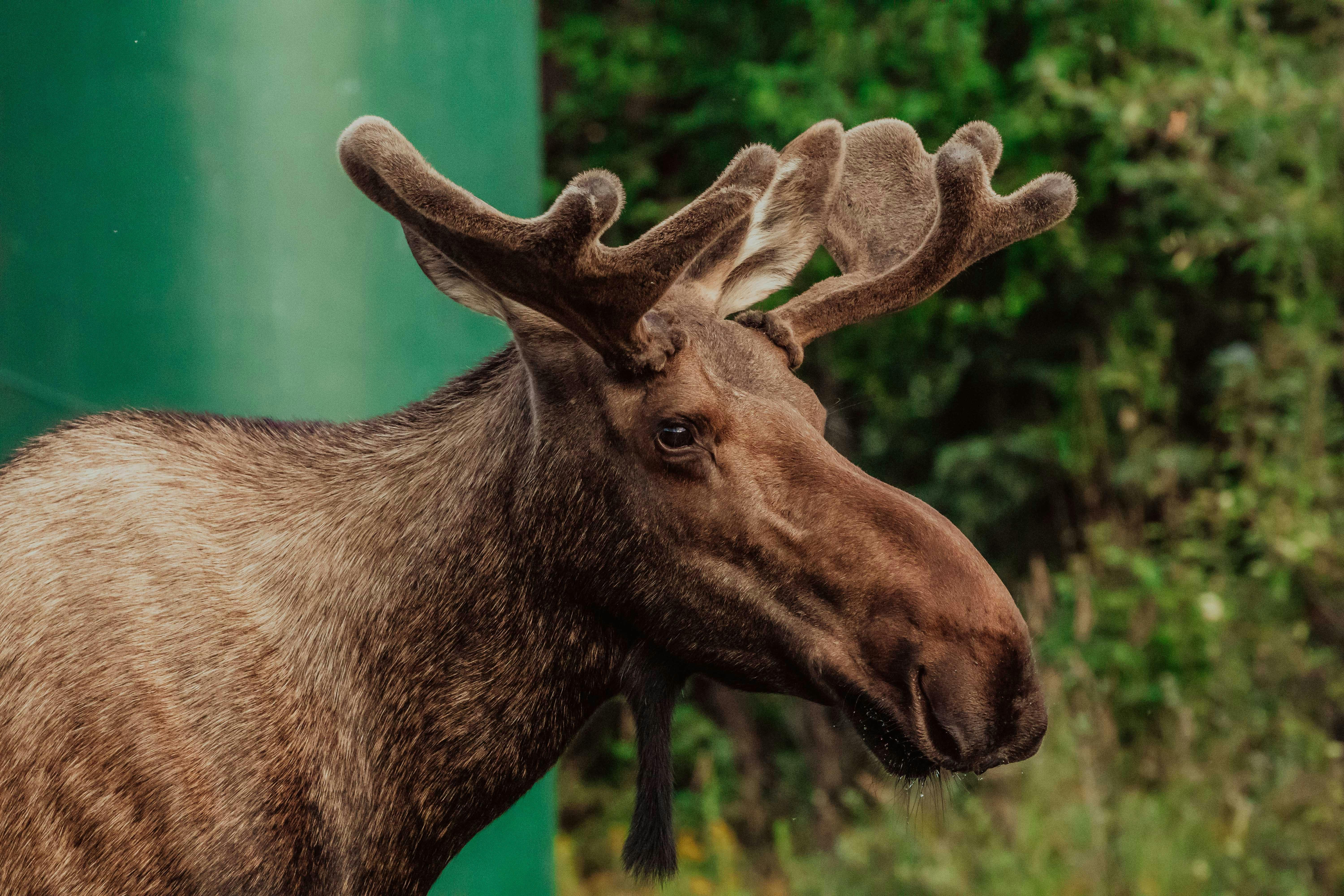
In the realm of wildlife, few creatures evoke the same sense of wonder as the moose. Towering at nearly six feet at the shoulder and weighing up to 1,500 pounds, they may not be the fastest animals in the forest, but their sheer size and graceful demeanor often leave observers in awe. Common in North American woodlands, these magnificent herbivores exemplify fascinating biological behavior shaped by their environment.
Moose are often solitary, preferring to roam alone rather than in herds, a stark contrast to other species within the deer family. This solitary nature underscores an adaptive strategy, allowing them to reduce competition for food and optimize their grazing. Their diet mainly consists of leaves, twigs, and aquatic plants—food sources readily abundant in their lush, varied habitats. The architectural marvel of their long legs allows them to wade into deep waters to reach submerged delicacies, as well as navigate through dense underbrush.
The moose's impressive antlers, which can span up to six feet in width, are not merely for display. They serve a vital role in dominance displays and mating rituals. Observations reveal that male moose engage in theatrical fights during the rutting season, using their antlers to spar in dramatic displays of strength and agility. Following these encounters, the victor often stands proudly, a gentle reminder of the intricate balance between strength and survival that prevails in nature.
Interestingly, moose are not only fascinating for their physical attributes and behaviors; their very presence influences the ecosystem. By foraging on trees and shrubs, they play a key role in shaping plant communities, inadvertently promoting biodiversity. Moose populations can fluctuate significantly, and monitoring their numbers provides valuable insights into the health of their habitats.
With an estimated population of 1.5 million moose in North America, their existence exemplifies the complex interweaving of animal behavior and ecological dynamics. Observing these gentle giants prompts a reflection on the delicate balance of our shared ecosystems—a reminder that nature's elegance often thrives in the most unexpected places.
 Turkish
 Thai
Thai
 English
 French
 Spanish
 Portuguese
 Deutsch
 Dutch
Dutch
 Italiano
 Russian