


 New! Search Engine
 Sobre
Sobre
 Termos
 Privacidade
 Contact
 Invest
The Charm of Canine Curiosity
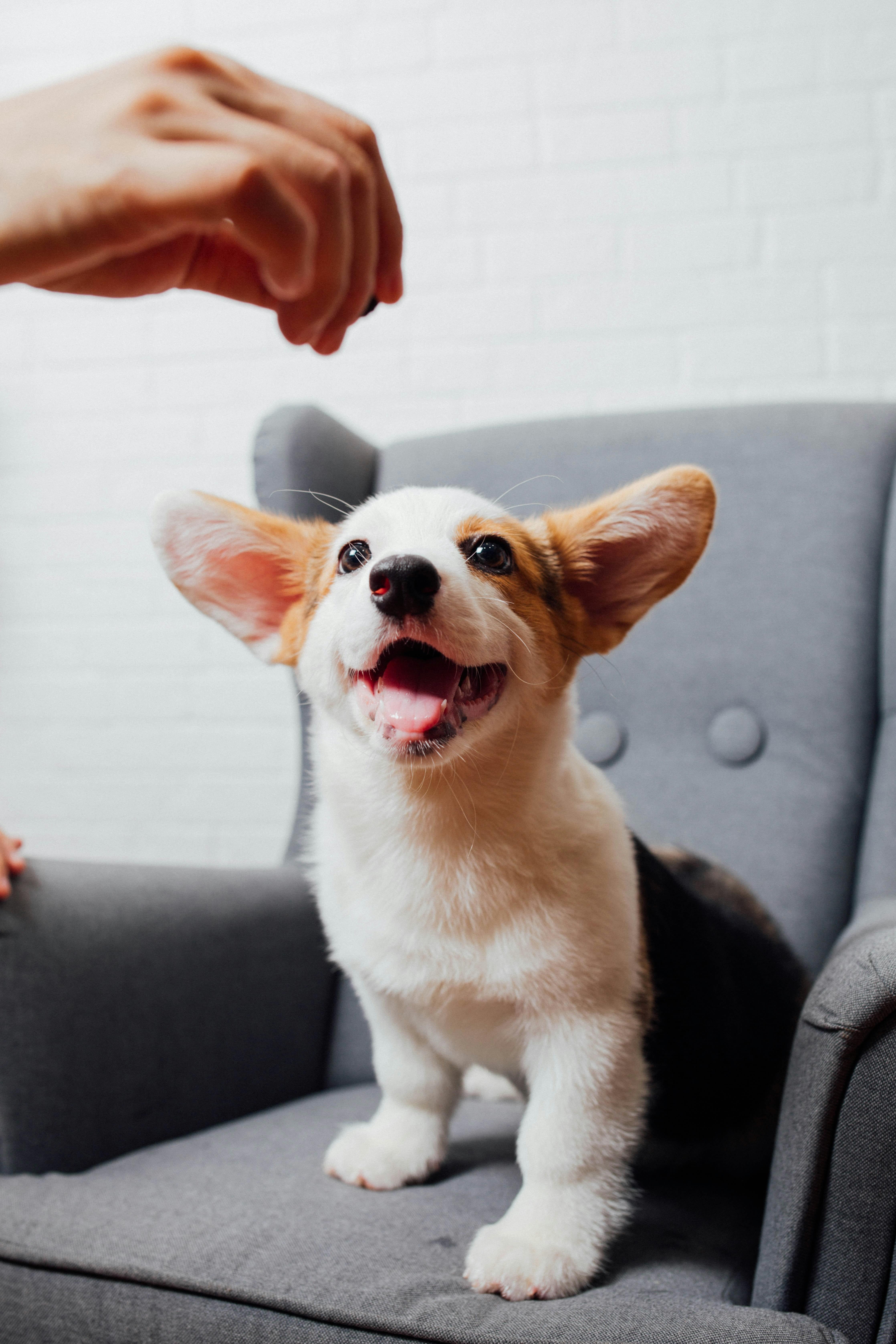
In an unassuming living room, the eager face of a corgi reveals a fascinating dance of biology and behavior. This small canine, perched confidently on a plush chair, embodies the essence of curiosity that defines much of the animal kingdom. Dogs have a remarkable ability to read human emotions and intentions, a trait deeply rooted in their evolutionary history as companions to humans.
The corgi's vibrant energy and enthusiastic anticipation convey not just excitement but also the complex interplay of instinct and learned behavior. As it gazes upward, its large, expressive eyes seem to connect with the unseen hand above, poised to treat it with something delicious. This moment encapsulates a universal narrative: reward-driven behavior. When a dog is rewarded, the brain floods with dopamine, stimulating its euphoria and reinforcing the memory of the action that led to this joy.
Research reveals that dogs can differentiate between human emotional expressions, showcasing a blend of instinct and intelligence. In essence, what may seem like mere exuberance is a sophisticated form of communication developed over thousands of years. This bond between humans and dogs highlights a remarkable aspect of biological behavior: mutual understanding.
As our beloved pets express joy and curiosity, they also reflect the scientific phenomenon of the "biophilia hypothesis," which suggests that humans are inherently drawn to other forms of life. So, the next time you're greeted by a wagging tail and a joyful face, remember that this connection is not just cute; it’s a testament to biological behaviors that span across both species, illustrating the intricate tapestry of life that fosters companionship. With around 340 breeds worldwide, each exhibiting unique traits, the fascinating relationship between dogs and humans continues to evolve, enriching lives at every turn.
 Portuguese
 Thai
Thai
 English
 French
 Spanish
 Deutsch
 Turkish
 Dutch
Dutch
 Italiano
 Russian