


 New! Search Engine
 About
About
 Terms
Terms
 Privacy
 Contact
 Invest
Canine Curiosity: Understanding the Playful Nature of Dogs
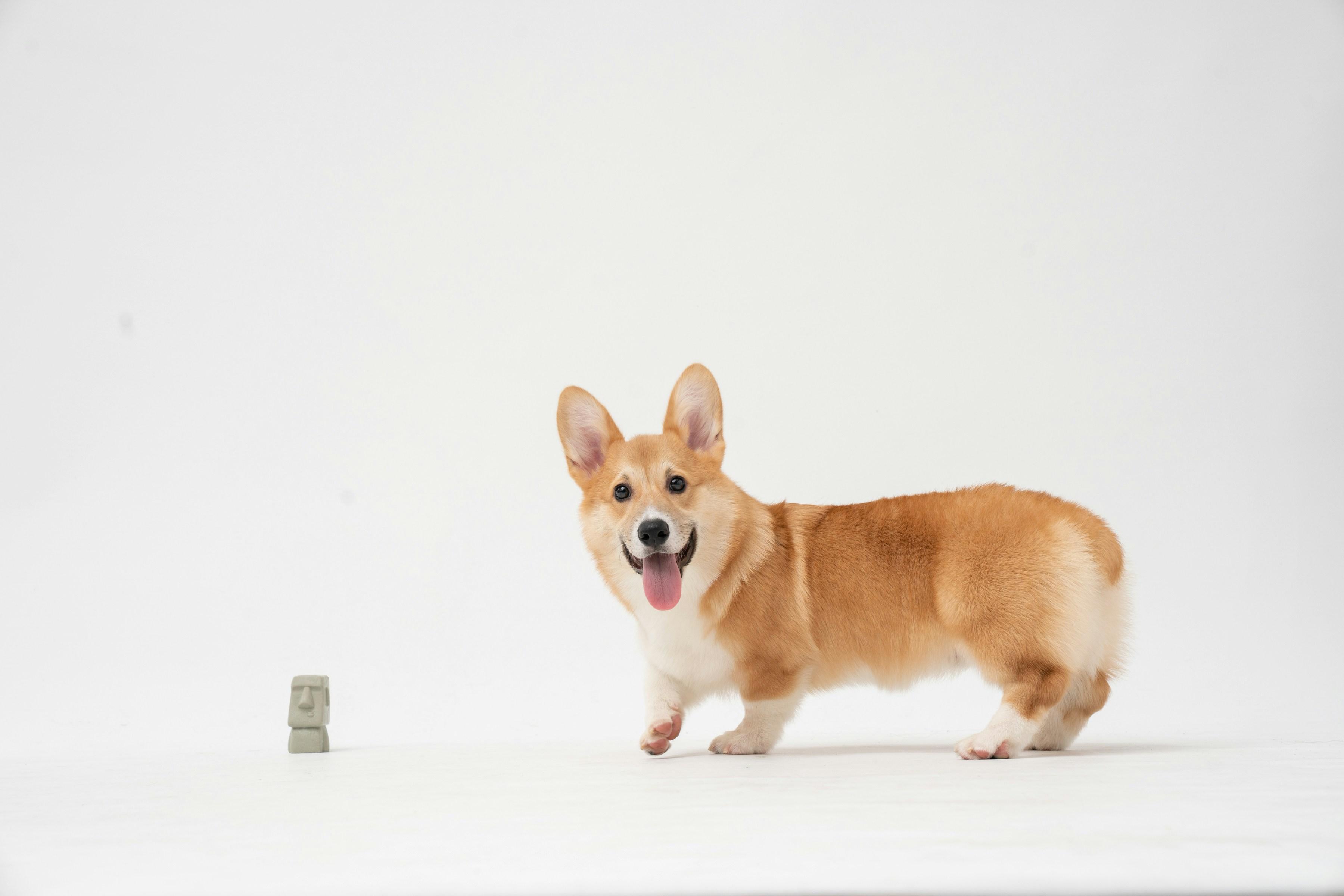
In a world brimming with lush tales and dazzling moments, few spectacles rival the joyful frolic of a corgi. With its stout legs and expressive ears, this breed is a delightful window into the complexities of canine behavior that captivates both the heart and the mind. Observing a corgi basking in the thrill of play can illuminate much about the biological wiring behind such exuberance.
Dogs, with their intrinsic curiosity, exhibit a range of behaviors largely driven by their social nature. The corgi, in particular, is no stranger to this. Originally bred for herding, these clever creatures combine agility with an insatiable appetite for exploration. Behind that playful panting lies an intricate system of communication—both verbal and non-verbal—that enables them to interact with humans and their environment effectively. Every wag of the tail and tilt of the head is a deliberate gesture, a dialogue crafted over thousands of years of companionship between dogs and humans.
Interestingly, the playful disposition seen in such breeds may also serve a critical evolutionary function. Play behavior is not mere whimsy; it equips young animals with essential survival skills, honing their reflexes and sharpening their senses. In fact, some studies suggest that dogs, like humans, release oxytocin during playful interactions, creating a bond that strengthens their relationship with us and even fosters emotional resilience.
As we chuckle at the antics of our furry friends, we often forget that their behaviors are rooted in profound biological imperatives. With over 340 distinct breeds worldwide, the spectrum of canine behavior continues to inspire joy and curiosity. Ultimately, as we glean insight from watching a corgi chase an elusive toy, we are engaging in a timeless dance of understanding, bridging the gap between species through the universal language of play. Such observations remind us that we share more than just a planet; we share a narrative woven from instincts, emotions, and a staggering 20,000 years of canine domestication.
 English
 Thai
Thai
 French
 Spanish
 Portuguese
 Deutsch
 Turkish
 Dutch
Dutch
 Italiano
 Russian