


 New! Search Engine
 Über
Über
 Bedingungen
 Datenschutz
 Contact
 Invest
The Flow of Life: Waterfalls as Ecosystems
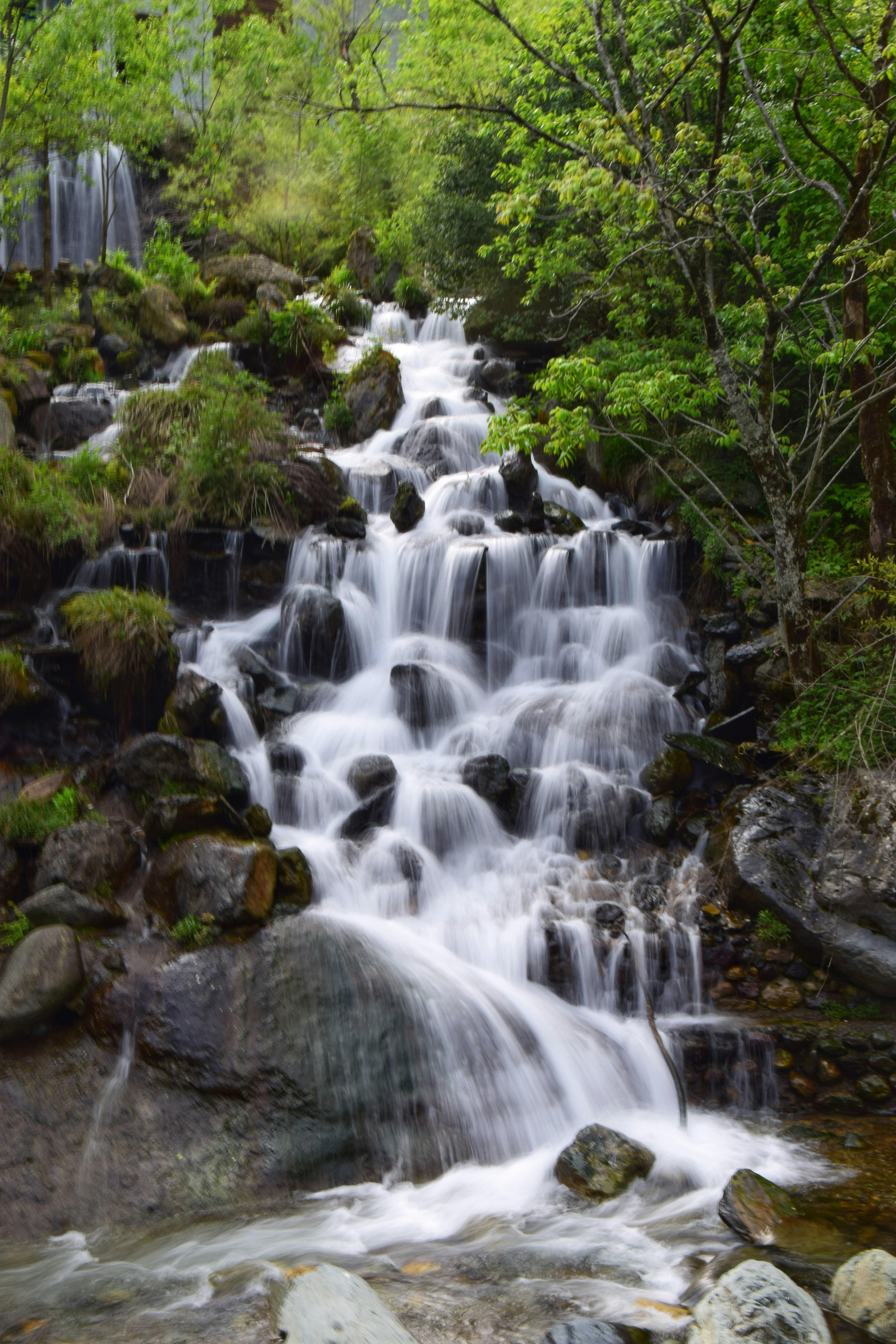
In a world often characterized by rapid change, waterfalls stand as mesmerizing symbols of resilience, nurturing dynamic ecosystems that thrive around their cascading waters. This dramatic interplay of water and rock creates microhabitats, where countless organisms flourish. The incessant flow of water not only shapes the landscape but also acts as a lifeline for an intricate web of life.
As water tumbles over rocks, it aerates, enriching the oxygen content that aquatic organisms rely on. Yet, beneath the frothy surface, invisible dramas unfold. Tiny invertebrates, like caddisfly larvae and stoneflies, harness the current, adapting to the turbulence as they cling to surfaces. Their ability to navigate this watery chaos may seem trivial, but it speaks volumes about evolutionary adaptability in harsh environments.
The surrounding banks, adorned with lush greenery, provide essential shelter and breeding grounds for various species. Frogs may use the sound of rushing water to establish territory, while birds find refuge in the abundant foliage. The seasonal shifts affect these creatures, prompting migrations and breeding patterns in fascinating, synchronized rhythms.
Interestingly, waterfalls can influence not just local biodiversity but also climate experienced by nearby flora and fauna. The moisture generated can extend further than the immediate vicinity, impacting surrounding plant growth in unexpected ways.
In the grand tapestry of ecological interactions, the waterfall serves as a microcosm of nature's resilience. An estimated 65% of freshwater habitats are influenced by flowing water systems, highlighting their critical role in sustaining life. These captivating cascades remind us that even in relentless motion, there is stability, continuity, and a remarkable interconnectedness underpinning biological behavior. Observing this natural spectacle, one can't help but reflect on the power of water in its myriad forms.
 Deutsch
 Thai
Thai
 English
 French
 Spanish
 Portuguese
 Turkish
 Dutch
Dutch
 Italiano
 Russian