


 New! Search Engine
 Sobre
Sobre
 Termos
 Privacidade
 Contact
 Invest
Name Change Paperwork Help: A Complete Guide to Making the Process Smooth and Stress-Free
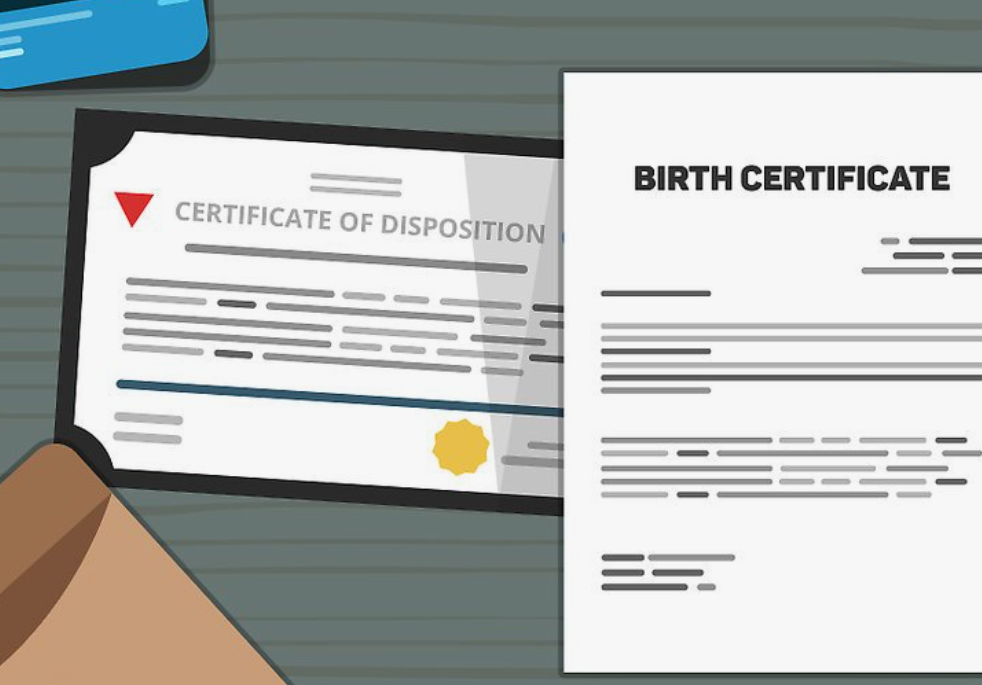
Changing your name can be an exciting step, whether it’s due to marriage, divorce, gender transition, personal preference, or other reasons. However, the paperwork involved can often feel overwhelming. From understanding legal requirements to filing the correct documents, the process can be confusing without proper guidance. That’s where name change paperwork help comes in. In this article, we’ll break down everything you need to know to navigate this process efficiently and confidently.
Understanding the Name Change Process
Before diving into paperwork, it’s important to understand the legal framework for changing your name. The process varies by state and country, but generally includes:
- Filing a Petition: You must file a petition for a name change with your local court or government office. This petition typically includes your current name, the new name you want, and the reason for the change.
- Paying a Filing Fee: Courts usually charge a fee for processing name change petitions. This fee can vary significantly depending on your jurisdiction.
- Publication Requirements: Some states require you to publish your name change in a local newspaper, giving the public notice of your intent.
- Court Hearing: In many cases, you may need to attend a court hearing where a judge reviews your petition and approves the change.
- Receiving a Name Change Order: Once approved, the court issues an official name change order. This document is essential for updating your name on all legal documents.
Why People Seek Name Change Paperwork Help
While the steps may seem straightforward, many people encounter difficulties when completing the necessary forms. Common challenges include:
- Understanding Legal Jargon: Name change forms often contain complicated legal language that can be confusing for someone without legal experience.
- Filling Out Forms Correctly: Errors on forms can delay your case or result in rejection.
- Navigating State Requirements: Each state has different rules regarding filing fees, publication, and court hearings. Knowing the specific requirements for your location is crucial.
- Updating Legal Documents: After your name change is approved, you must update your Social Security card, driver’s license, passport, bank accounts, and other legal documents. This can be a time-consuming process.
Professional name change paperwork help can guide you through each of these steps, ensuring you complete forms correctly and meet all legal requirements.
How Name Change Paperwork Help Works
If you decide to seek assistance, several options are available:
1. Online Name Change Services
Many websites offer comprehensive name change services. They provide:
- Step-by-step guidance on filling out forms.
- Templates for petitions and affidavits.
- Checklists for updating legal documents after your name change.
These services are convenient for people who want to handle the process from home but still need guidance.
2. Legal Assistance
Hiring an attorney who specializes in name changes can be helpful, especially if your case is complex. Lawyers can:
- Ensure all forms are completed correctly.
- Represent you at a court hearing if required.
- Advise on additional legal matters, such as changing a minor’s name.
While this option may be more expensive than online services, it provides the highest level of assurance that your paperwork will be accepted without issues.
3. DIY with Guidance
Some individuals prefer a hybrid approach: filling out forms themselves but using online guides or professional consultations for advice. This option is cost-effective while still minimizing errors.
Step-by-Step Guide to Name Change Paperwork
Even if you hire a professional, understanding the process yourself can make everything smoother. Here’s a step-by-step overview:
Step 1: Gather Necessary Information
Collect documents that prove your identity and citizenship, such as:
- Birth certificate
- Social Security card
- Driver’s license or state ID
- Marriage certificate (if applicable)
Having these documents ready will make filling out forms much easier.
Step 2: Fill Out the Petition
The petition is the primary document for requesting a name change. Key information includes:
- Your current full name
- Your requested new name
- Reason for the change
- Contact information
Carefully follow instructions to avoid errors that could delay your case.
Step 3: File the Petition with the Court
Submit your completed petition to the appropriate court along with the filing fee. Some courts accept online submissions, while others require in-person filing.
Step 4: Publish Notice (if required)
Check if your state requires public notice of your name change. If so, you’ll need to publish your intent in a local newspaper. Keep proof of publication, as the court may request it.
Step 5: Attend a Court Hearing
If a hearing is necessary, a judge will review your petition. Be prepared to explain why you want to change your name and answer any questions.
Step 6: Obtain the Name Change Order
Once approved, you’ll receive a certified copy of the court order. This legal document allows you to update all other personal records.
Step 7: Update Legal Documents
Use your court order to change your name on:
- Social Security records
- Driver’s license or state ID
- Passport
- Bank accounts and credit cards
- Insurance policies
- Employer records
Updating all documents ensures your new name is recognized legally and professionally.
Tips for a Smooth Name Change
- Check State Requirements: Always verify local rules before starting the process.
- Use a Checklist: Keep track of all forms, fees, and deadlines.
- Keep Copies: Maintain copies of all submitted paperwork and the court order.
- Seek Professional Help if Needed: If your case involves minors, legal disputes, or complicated circumstances, professional help can save time and stress.
Conclusion
Changing your name is a significant personal and legal step. While the paperwork can be complicated, name change paperwork help is available in various forms—online services, legal assistance, or guided DIY resources. By understanding the process, gathering the right documents, and following each step carefully, you can ensure your name change is completed smoothly and legally.
Whether you’re changing your name due to marriage, divorce, personal preference, or gender transition, having the right support can make the process stress-free and efficient. Don’t let paperwork stand in the way of this important life change—seek guidance and take control of your new identity today.
 Portuguese
 Thai
Thai
 English
 French
 Spanish
 Deutsch
 Turkish
 Dutch
Dutch
 Italiano
 Russian