


 New! Search Engine
 About
About
 Terms
Terms
 Privacy
 Contact
 Invest
Urban environments, particularly in bustling cities, have morphed into fascinating ecosystems where the rhythms of daily life intertwine with technology and human behavior. Observing a crowded subway car offers a window into the intricacies of social inter
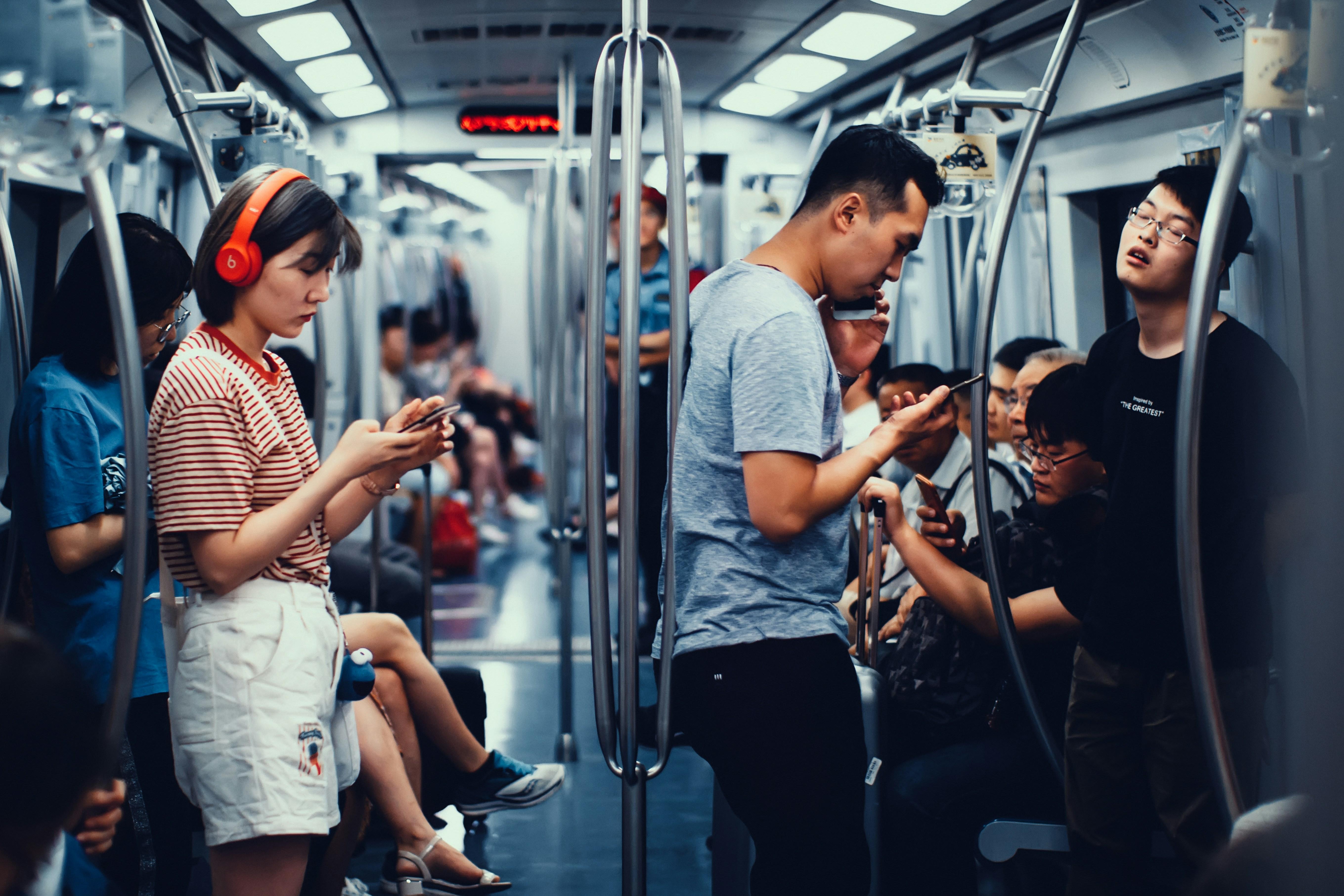
Consider the varied expressions—some individuals are happily engaged on their phones, while others appear lost in thought or slightly overwhelmed by the crowded space. This duality reflects a fundamental aspect of human behavior: our need for social connection juxtaposed against the instinct for personal retreat. Scientists have noted that environments rich in stimuli, like public transport, often lead to heightened levels of cognitive load. Yet, this overload paradoxically encourages people to seek solace in their screens, where they find a semblance of control amid the chaos.
Humor arises in these moments too, such as the young man who appears to be having an arduous conversation, seemingly unaware of his surroundings, or the woman obliviously bobbing her head to music as she navigates the smaller universe of her headphones. This phenomenon highlights a modern quirk of urban life. While we have more ways to connect than ever, the irony is that some of the deepest interactions happen in total silence, each person sharing space yet separated by thin screens.
In the grand scheme of societal evolution, studies suggest that around 90% of our daily interactions occur within close proximity to other individuals, reflecting our innate gregarious nature. Yet, here in this mechanical tunnel of urban transit, it's evident that individuals are forging their own paths even as they ride together. This delicate dance between community and individuality encapsulates the essence of modern life—a testament to the adaptive sophistication of human behavior in the face of rapid change.
 English
 Thai
Thai
 French
 Spanish
 Portuguese
 Deutsch
 Turkish
 Dutch
Dutch
 Italiano
 Russian