


 New! Search Engine
 About
About
 Voorwaarden
 Privacy
 Contact
 Invest
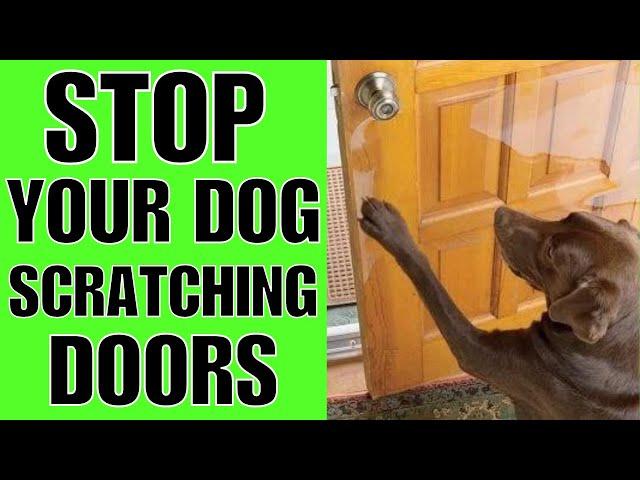
Stopping your dog from scratching the door is a mix of **training**, **environment management**, and **meeting their needs** so they don’t feel the urge to do it in the first place.
Here’s a clear plan you can follow:
1. Figure Out *Why* They’re Scratching
Dogs scratch doors for a reason. Common causes:
* **Separation anxiety** – they want to be with you.
* **Boredom** – lack of physical or mental stimulation.
* **Attention seeking** – they’ve learned scratching gets you to respond.
* **Wanting to go outside** – bathroom break or chasing something they saw.
**Step one:** Identify the trigger so you can address the root cause.
2. Training: Teach a “Door Manners” Routine
**Goal:** Your dog learns a calm alternative behavior instead of scratching.
* **Ignore scratching**: Don’t yell or immediately open the door — this rewards the behavior.
* **Reward calm**: When your dog waits quietly, mark it with “yes” or a click, then open the door.
* **Use a “sit and wait” cue**: Before opening the door, have them sit or lie down. Open the door only when they stay calm.
*Consistency is key* — if one family member gives in, the dog will keep scratching.
3. Prevent Damage While Training
While teaching the new habit, protect your door:
* **Acrylic door shields** or plastic panels.
* **Scratch guards** or plexiglass sheets.
* **Vinyl carpet runner (spiky side out)** near the door to deter contact.
4. Reduce the Urge to Scratch
* **Exercise before alone time**: A tired dog is less likely to act out.
* **Enrichment**: Puzzle toys, chew bones, or treat-dispensing balls while you’re away.
* **Training games**: Nose work or “find it” games to keep their mind busy.
5. Special Case: Separation Anxiety
If scratching happens only when you leave:
* Practice **gradual departures** — leave for a few seconds, return calmly, slowly increase the time.
* Leave an item with your scent, play soft background noise, or use a calming diffuser.
* In severe cases, consult a certified dog trainer or veterinary behaviorist.
**Quick Tip:**
You can start today by putting a treat jar by the door and only opening it after rewarding calm behavior. In a week or two, many dogs switch from scratching to patiently sitting.
#lovedoglala #doglala
Here’s a clear plan you can follow:
1. Figure Out *Why* They’re Scratching
Dogs scratch doors for a reason. Common causes:
* **Separation anxiety** – they want to be with you.
* **Boredom** – lack of physical or mental stimulation.
* **Attention seeking** – they’ve learned scratching gets you to respond.
* **Wanting to go outside** – bathroom break or chasing something they saw.
**Step one:** Identify the trigger so you can address the root cause.
2. Training: Teach a “Door Manners” Routine
**Goal:** Your dog learns a calm alternative behavior instead of scratching.
* **Ignore scratching**: Don’t yell or immediately open the door — this rewards the behavior.
* **Reward calm**: When your dog waits quietly, mark it with “yes” or a click, then open the door.
* **Use a “sit and wait” cue**: Before opening the door, have them sit or lie down. Open the door only when they stay calm.
*Consistency is key* — if one family member gives in, the dog will keep scratching.
3. Prevent Damage While Training
While teaching the new habit, protect your door:
* **Acrylic door shields** or plastic panels.
* **Scratch guards** or plexiglass sheets.
* **Vinyl carpet runner (spiky side out)** near the door to deter contact.
4. Reduce the Urge to Scratch
* **Exercise before alone time**: A tired dog is less likely to act out.
* **Enrichment**: Puzzle toys, chew bones, or treat-dispensing balls while you’re away.
* **Training games**: Nose work or “find it” games to keep their mind busy.
5. Special Case: Separation Anxiety
If scratching happens only when you leave:
* Practice **gradual departures** — leave for a few seconds, return calmly, slowly increase the time.
* Leave an item with your scent, play soft background noise, or use a calming diffuser.
* In severe cases, consult a certified dog trainer or veterinary behaviorist.
**Quick Tip:**
You can start today by putting a treat jar by the door and only opening it after rewarding calm behavior. In a week or two, many dogs switch from scratching to patiently sitting.
#lovedoglala #doglala
Stopping your dog from scratching the door is a mix of **training**, **environment management**, and **meeting their needs** so they don’t feel the urge to do it in the first place.
Here’s a clear plan you can follow:
1. Figure Out *Why* They’re Scratching
Dogs scratch doors for a reason. Common causes:
* **Separation anxiety** – they want to be with you.
* **Boredom** – lack of physical or mental stimulation.
* **Attention seeking** – they’ve learned scratching gets you to respond.
* **Wanting to go outside** – bathroom break or chasing something they saw.
**Step one:** Identify the trigger so you can address the root cause.
2. Training: Teach a “Door Manners” Routine
**Goal:** Your dog learns a calm alternative behavior instead of scratching.
* **Ignore scratching**: Don’t yell or immediately open the door — this rewards the behavior.
* **Reward calm**: When your dog waits quietly, mark it with “yes” or a click, then open the door.
* **Use a “sit and wait” cue**: Before opening the door, have them sit or lie down. Open the door only when they stay calm.
💡 *Consistency is key* — if one family member gives in, the dog will keep scratching.
3. Prevent Damage While Training
While teaching the new habit, protect your door:
* **Acrylic door shields** or plastic panels.
* **Scratch guards** or plexiglass sheets.
* **Vinyl carpet runner (spiky side out)** near the door to deter contact.
4. Reduce the Urge to Scratch
* **Exercise before alone time**: A tired dog is less likely to act out.
* **Enrichment**: Puzzle toys, chew bones, or treat-dispensing balls while you’re away.
* **Training games**: Nose work or “find it” games to keep their mind busy.
5. Special Case: Separation Anxiety
If scratching happens only when you leave:
* Practice **gradual departures** — leave for a few seconds, return calmly, slowly increase the time.
* Leave an item with your scent, play soft background noise, or use a calming diffuser.
* In severe cases, consult a certified dog trainer or veterinary behaviorist.
**Quick Tip:**
You can start today by putting a treat jar by the door and only opening it after rewarding calm behavior. In a week or two, many dogs switch from scratching to patiently sitting.
#lovedoglala #doglala


 Thai
Thai
 English
 French
 Spanish
 Portuguese
 Deutsch
 Turkish
 Italiano
 Russian