


 New! Search Engine
 About
About
 Terms
Terms
 Privacy
 Contact
 Invest
The Intriguing Grasp of Infancy
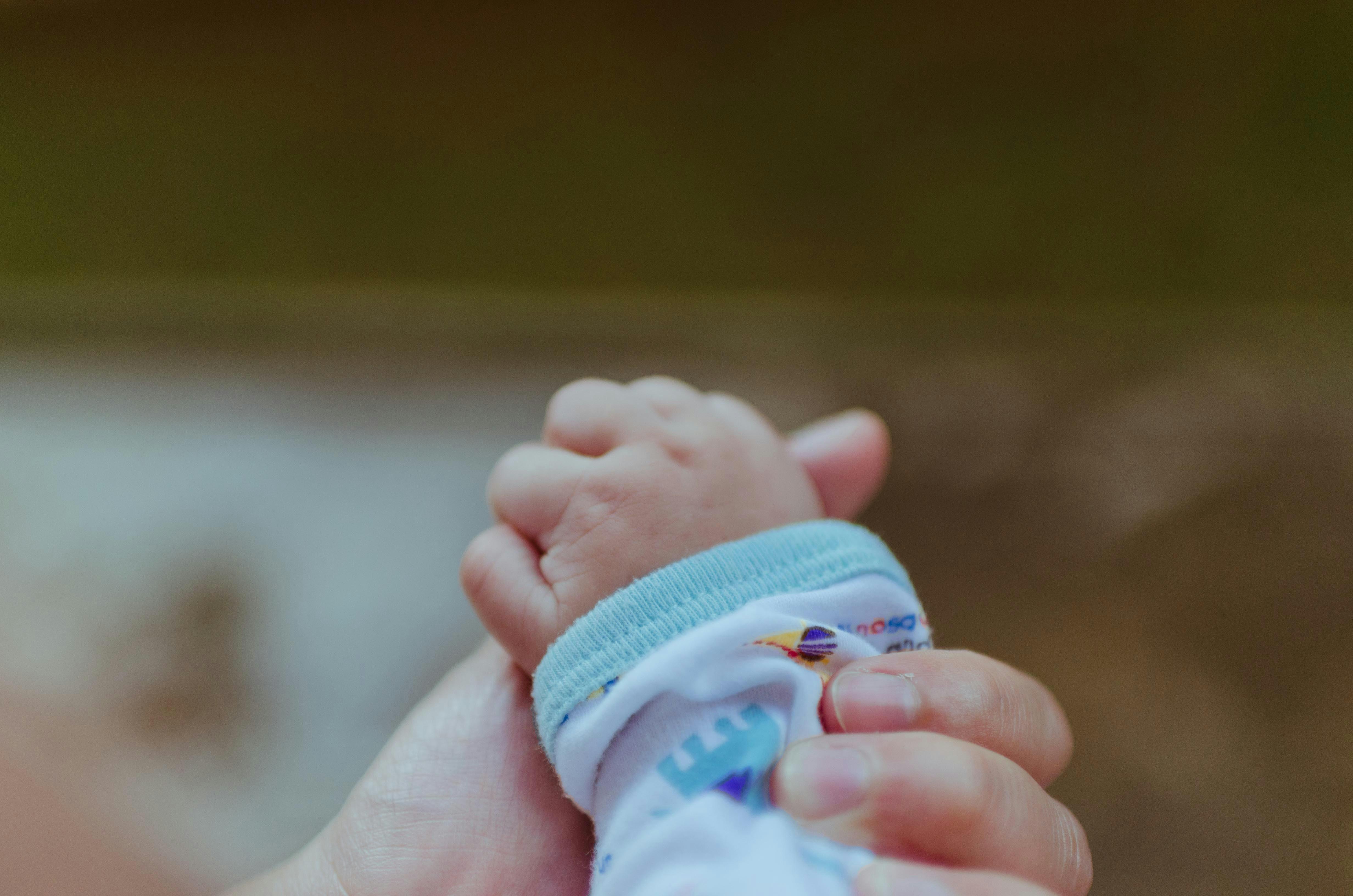
In the delicate balance of a newborn's first days, the tiny hand wrapped around an adult finger reveals more than an instinctual hold; it encapsulates a remarkable aspect of biological behavior. The grasp reflex displayed in infants is a wondrous interplay of neurology and evolution, deeply rooted in human ancestry. This instinct, which prompts newborns to cling tightly to anything that touches their palms, is thought to be a vestige of a time when survival hinged on such grips, echoing the behaviors of our primate relatives.
Studying this reflex offers insights into the fundamental nature of bonding. The infant's grip is not only a physical response but an emotional one, fostering immediate connections with caregivers. This dynamic interaction fuels neurological development, as affectionate touches stimulate the release of oxytocin, often dubbed the "love hormone." Such biological mechanics highlight the intricate tapestry of human relationships, where the act of holding hands can trigger biochemical responses that strengthen emotional bonds.
Observation of these interactions might seem deceptively simple, yet they invite a deeper reflection on how biological behaviors shape human experience. In just the first few weeks of life, infants can exhibit remarkable improvement in their grasping abilities, transitioning from reflexive clinging to intentional holding. This transition is not a mere milestone; it represents the onset of self-awareness and agency, illustrating how innate behaviors lay the groundwork for complex social interactions.
As we contemplate these minute observations, consider this: the human brain continues to develop after birth, with around 80% of its size achieved by the age of three. These early actions—tiny, powerful handshakes—serve as initial chapters in our life's story, revealing the extraordinary intricacies of biological behavior in shaping human connection.
 English
 Thai
Thai
 French
 Spanish
 Portuguese
 Deutsch
 Turkish
 Dutch
Dutch
 Italiano
 Russian