


 New! Search Engine
 เกี่ยวกับ
 เงื่อนไข
 ความเป็นส่วนตัว
 Contact
 Invest
The Joyful Bonds of Laughter and Connection
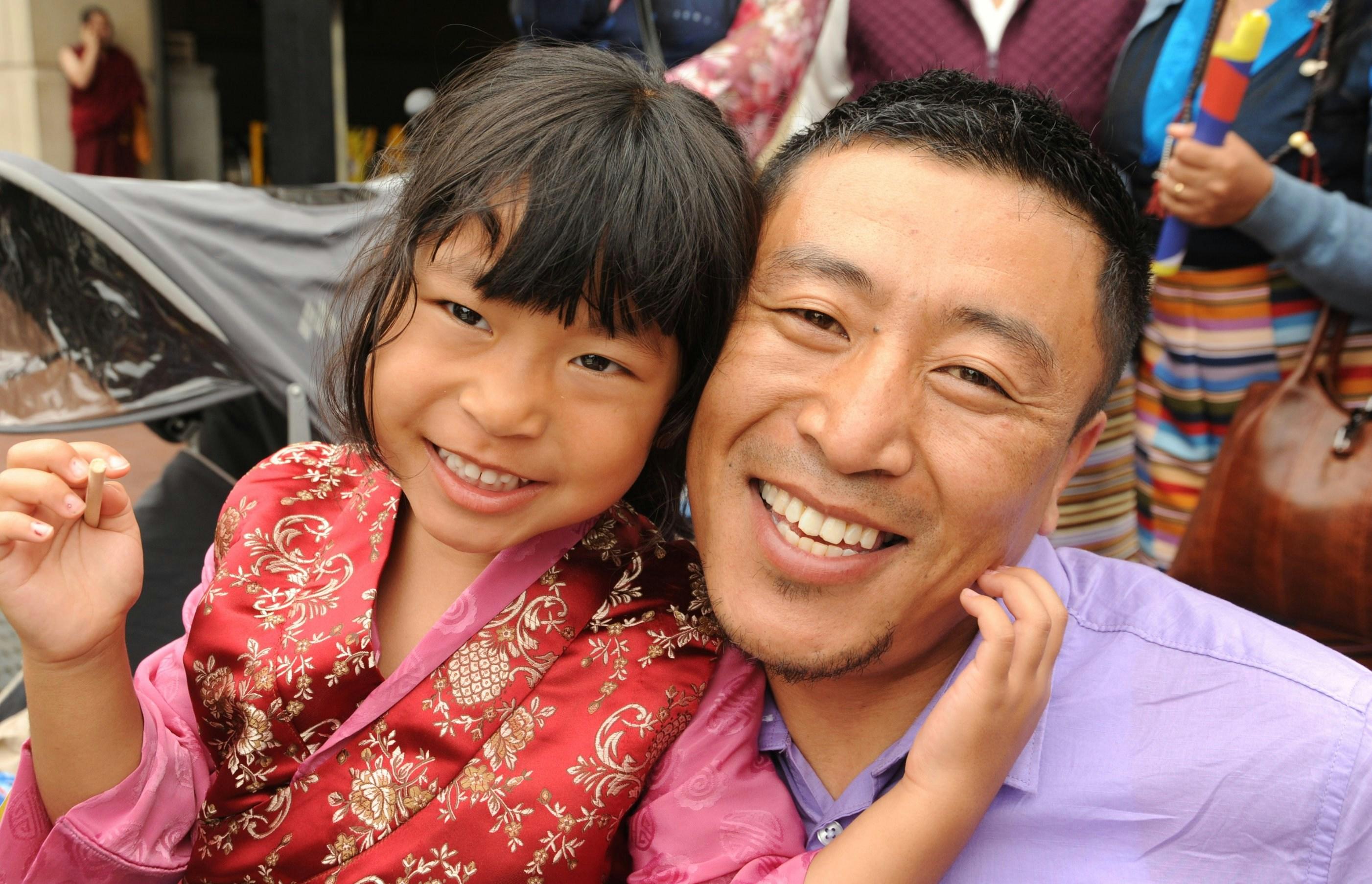
In varying cultures across the globe, shared moments of laughter and connection can often be seen as a universal language, transcending barriers and resonating deeply within our biological framework. Take, for example, the dynamic duo captured in this photograph, their gleeful expressions indicating a profound relational bonding. Such displays are not merely coincidental; they stem from our inherent biological predisposition to seek social interactions that foster emotional attachment.
The laughter and joy between a caregiver and child, such as the pair in the image, serve an essential role in human development. It is through these interactions that the child cultivates social skills and emotional intelligence. Neurobiological studies reveal that shared laughter releases a cocktail of neurotransmitters — including dopamine and oxytocin — enhancing feelings of happiness and trust. These chemical signals are critical, as they not only bolster the immune system but also promote social cohesion.
Interestingly, the intricate dance of facial expressions and physical proximity in such moments often results in a mirroring effect, where both individuals subconsciously adopt similar postures and expressions. This mimicking enhances empathy and understanding between them. Thus, a simple smile or a shared giggle can wield significant influence over the social fabric we weave, blending biology with our emotional experiences.
As we reflect on the relationships we nurture, it’s remarkable to consider that approximately 60% of our daily social interactions are non-verbal. In a world that increasingly values connection, the science and joy behind our simplest moments hold profound implications. Ultimately, our capacity for joy, rooted deeply in biology, enriches our lives and binds us closer together.
 Thai
Thai
 English
 French
 Spanish
 Portuguese
 Deutsch
 Turkish
 Dutch
Dutch
 Italiano
 Russian